If you are drawn to the idea of tree-lined streets, a daily loop around the lake, and neighborhood business districts that make errands feel easy, living near Washington Park can be a strong fit. This part of central Denver offers more than one lifestyle, and that is often what surprises buyers most. When you look closely, Washington Park, Bonnie Brae, and Platt Park each bring a different pace and personality. Let’s dive in.
Washington Park sets the tone
Washington Park is the defining amenity in this area, and for many residents, it becomes part of everyday life rather than just a weekend destination. Denver Public Library describes the park as home to two lakes, the largest meadow in the Denver park system, a remnant of the City Ditch, romantic tree plantings, formal summer flower beds, and the 1913 boathouse.
That mix gives the neighborhood a distinctive rhythm. You can picture mornings on walking and biking paths, afternoons near the gardens, and evenings that still feel connected to open space. Visit Denver also notes recreation like volleyball, tennis, and lake activity, which adds to the park-centered lifestyle.
Washington Park is not just scenic. It is also active and evolving. Denver Parks and Recreation says the city continues to improve infrastructure in the park, with work focused on picnic areas, courts, walks, and other features.
Outdoor living feels built in
If being outside is part of how you want to spend your time, this area offers a lot of support for that routine. Denver Parks and Recreation says Denver maintains more than 280 urban parks, off-street trails, historic parkways, and natural areas, with many trails following scenic waterways.
At Washington Park itself, the outdoor experience has some structure that helps define the feel of the lakes. The city allows hand-launched, human-powered or wind-powered boating, while motorized boating is prohibited. That policy helps preserve the calmer, more recreational atmosphere many people associate with the park.
The park also carries historic significance that adds to its identity. Denver notes that the Washington Park Boathouse was completed in 1913, renovated in 2012, and designed by Jules Jacques Benois Benedict. The city also states that Washington Park is listed on the National Register of Historic Places and the Colorado State Register of Historic Properties.
Three nearby neighborhoods, three daily rhythms
One of the best ways to understand life near Washington Park is to see it as a small central Denver lifestyle zone with distinct options. The neighborhoods connect easily, but they do not feel interchangeable. That matters when you are trying to decide what kind of daily routine suits you best.
Washington Park feels park-first
In Washington Park, the park itself is the anchor. Homes, streets, and daily routines often feel oriented around access to open space, walking paths, and the visual relief that the lakes and meadow provide.
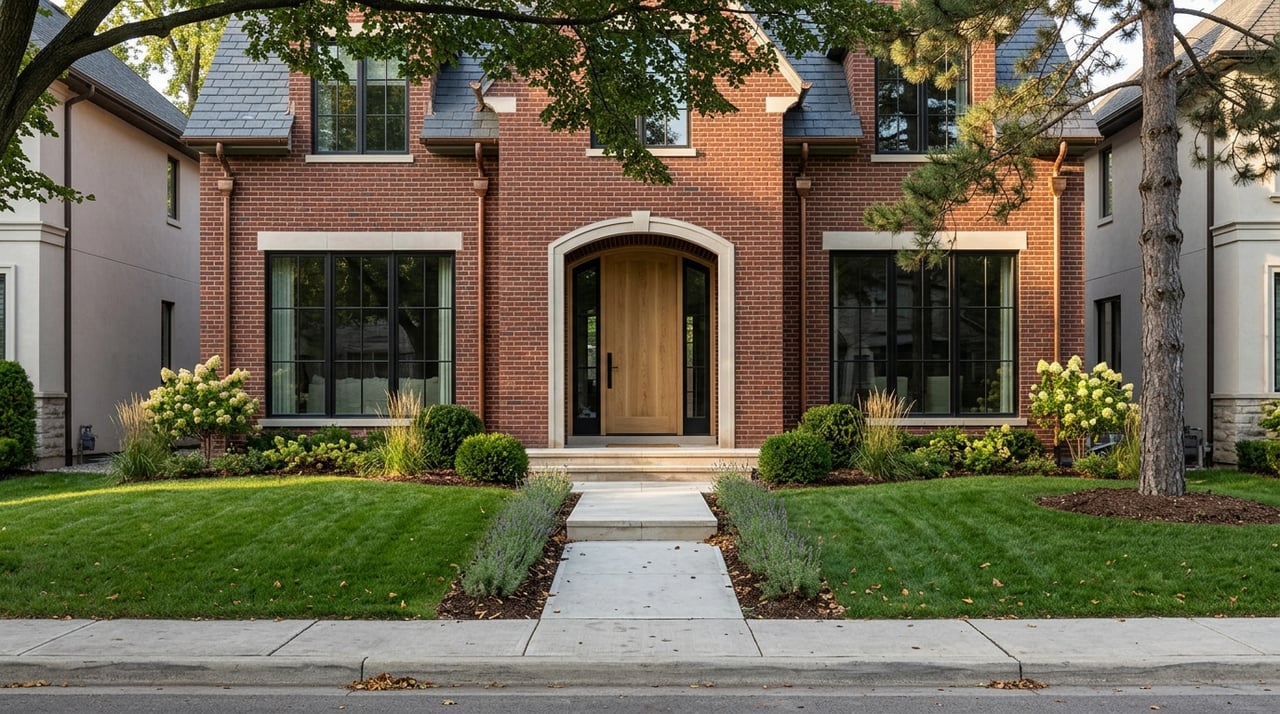
Housing here reflects that mix of history and reinvestment. According to 5280, you will find remodeled early-20th-century Victorian homes, brick bungalows, and newer luxury construction around the park. That blend can make the neighborhood feel both classic and current at the same time.
Bonnie Brae feels tucked away
Bonnie Brae offers a different kind of appeal. The Cultural Landscape Foundation describes it as a picturesque suburb designed by S. R. DeBoer and Walter Pesman, with curving streets, a diagonal boulevard, and a centrally located park.
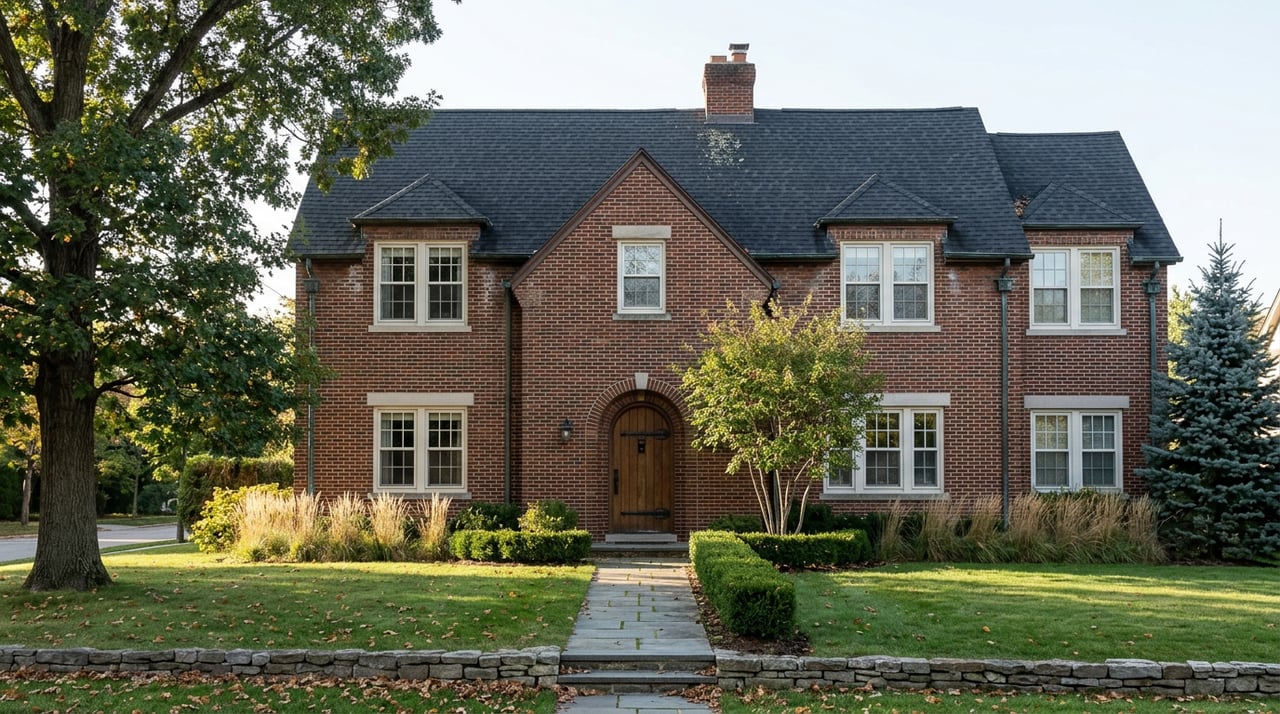
Instead of a traditional grid, the neighborhood layout feels more intentionally shaped and more residential in character. TCLF also notes that the neighborhood retains much of its historic character. Current neighborhood guides describe common home styles such as Tudor Revival and Craftsman bungalow, which helps explain why the area often feels visually cohesive.
Platt Park feels corridor-driven
Platt Park has the strongest main-street energy of the three. 5280 describes Old South Pearl Street as the center of activity, and that corridor plays a big role in how the neighborhood functions day to day.
This is where the quick coffee stop, casual meal, and simple errand run can feel more integrated into neighborhood life. 5280 also notes that the housing stock includes older homes that have been updated or expanded, along with newer modern architecture. That makes Platt Park feel a bit more transitional and block-by-block in character.
Dining and errands are close at hand
Living near Washington Park often means having several small commercial districts within easy reach. The strongest nearby corridors are South Gaylord Street, South Pearl Street, and the smaller Bonnie Brae strip.
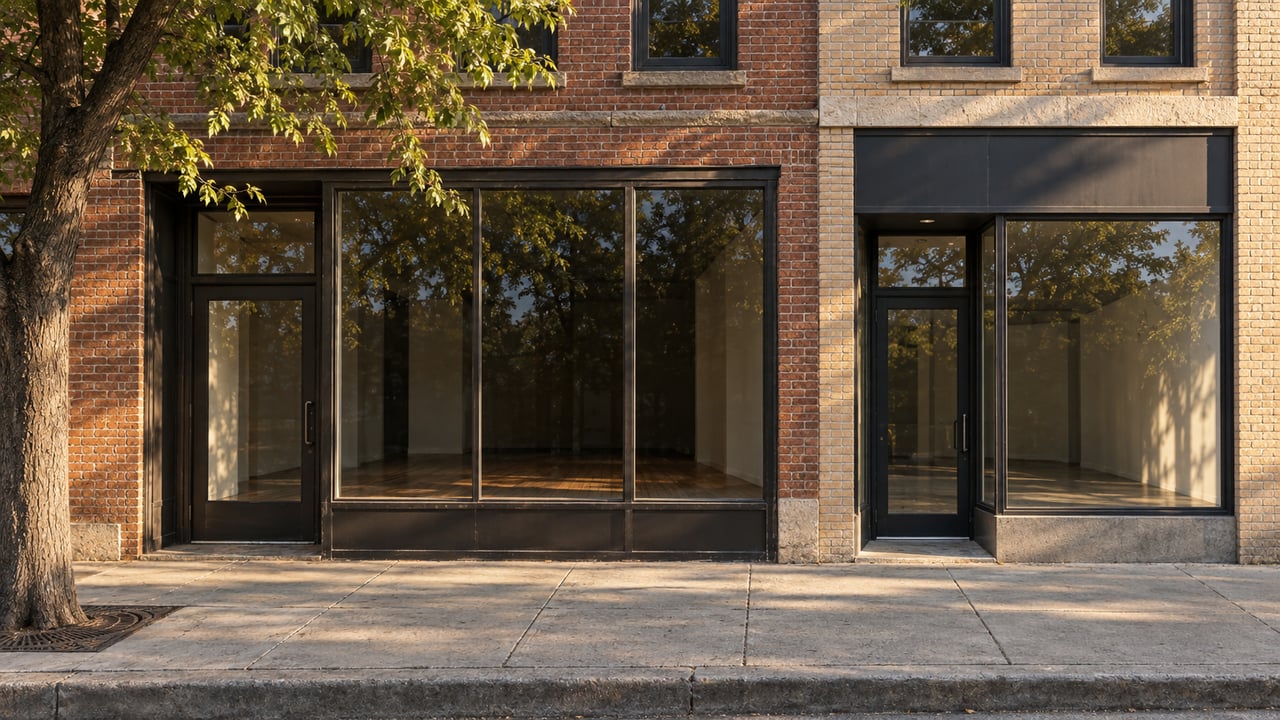
Visit Denver describes Historic South Gaylord as one of the city’s oldest shopping and dining districts, with many storefronts converted from late-19th-century houses. That gives the area a more intimate streetscape than a typical commercial corridor.
South Pearl offers a different kind of energy. Visit Denver says it was once Denver’s first trolley-car corridor and today serves as a shopping, dining, and event street. The same source also notes seasonal festivals and a Sunday farmers market that runs from June through October.
Bonnie Brae’s commercial scene is smaller and more local in scale. South Denver neighborhood guides describe the commercial heart as a short strip along East Ohio Avenue at South University Boulevard, with restaurants, ice cream, and a local tavern. That helps reinforce Bonnie Brae’s quieter, more residential feel.
Homes show a mix of old and new
For buyers, one of the most appealing parts of this area is the range of home styles across a relatively compact geography. You are not limited to one architectural look or one kind of streetscape.
In Washington Park, the mix includes historic homes and newer luxury builds. In Bonnie Brae, the neighborhood identity is shaped more clearly by its planned curving layout and traditional architecture. In Platt Park, reinvestment is especially visible, with remodels and additions helping older homes evolve over time.
Denver’s ADU amendment also notes that historic carriage homes still exist in older neighborhoods including West Washington Park and Platt Park. That detail adds another layer to the architectural story and speaks to the area’s long development history.
Getting around is fairly flexible
Commuting near Washington Park is best understood as a mix of options rather than one dominant pattern. Depending on your routine, you may find that driving, biking, and light rail all play a role.
Visit Denver says South Pearl is reachable from Denver Union Station via the E Line to Louisiana and Pearl Station. RTD also shows that Louisiana and Pearl Station serves the E and H lines and has no parking. Nearby stations such as I-25/Broadway, Evans, and Alameda expand the rail picture, with different line access and parking availability.
That adds up to a location that supports central Denver living with multiple ways to move through the city. If you commute downtown, head south regularly, or want options for a car-light day, the surrounding transit network can be a meaningful advantage.
What kind of buyer fits best here
If you want your neighborhood to revolve around outdoor space, Washington Park is the clearest match. If you prefer a quieter residential setting with a more distinctive historic layout, Bonnie Brae may feel more natural. If you want neighborhood dining, a commercial spine, and convenient access to everyday stops, Platt Park may stand out.
For many buyers, the real appeal is that these choices sit close together. You can prioritize the park, a tucked-away residential feel, or a more corridor-oriented routine without giving up central Denver access.
When clients are comparing this part of Denver, the right fit often comes down to how you want your day to unfold. That is where local insight matters most. If you are exploring Washington Park or nearby neighborhoods, Helm Weaver Helm can help you narrow in on the setting, home style, and daily rhythm that best match your goals.
FAQs
What is daily life like near Washington Park in Denver?
- Daily life near Washington Park often centers on the park itself, with access to lakes, walking and biking paths, gardens, recreation areas, and nearby neighborhood business districts like South Gaylord and South Pearl.
How is Bonnie Brae different from Washington Park?
- Bonnie Brae has a more tucked-away residential feel, with curving streets, a diagonal boulevard, a centrally located park, and a strong historic identity compared with the more park-centered feel of Washington Park.
What makes Platt Park appealing near Washington Park?
- Platt Park stands out for Old South Pearl Street, which serves as a neighborhood commercial spine with shops, dining, coffee, and seasonal events, plus a housing mix that includes updated older homes and newer architecture.
What kinds of homes are near Washington Park?
- The area includes a broad mix of homes, including remodeled Victorian homes, brick bungalows, Tudor Revival and Craftsman-style homes in Bonnie Brae, and newer luxury or modern construction in Washington Park and Platt Park.
Is Washington Park good for outdoor recreation?
- Washington Park is a major outdoor amenity with lakes, meadows, flower beds, walking and biking paths, volleyball, tennis, and hand-launched boating, along with access to Denver’s wider network of parks and trails.
How do you commute from the Washington Park area?
- Commuting from the Washington Park area typically involves a mix of driving, biking, and light rail, with nearby access to stations including Louisiana and Pearl, I-25/Broadway, Evans, and Alameda.