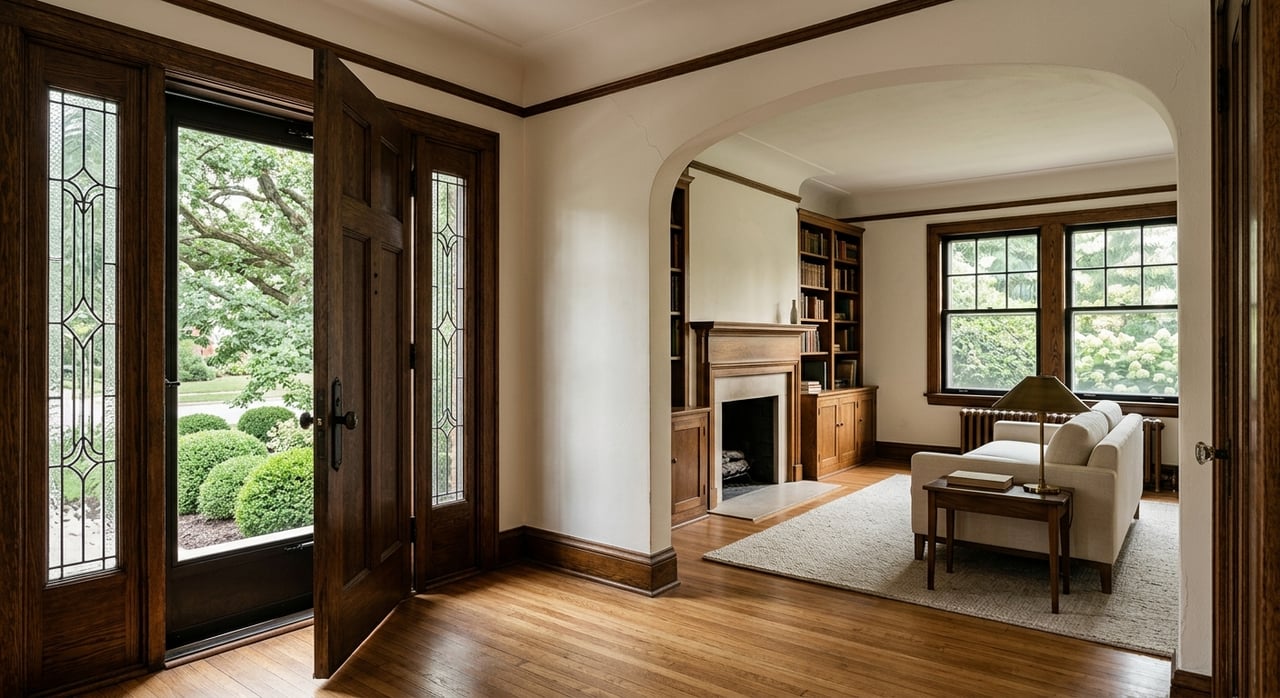
If you love character, craftsmanship, and a sense of history, buying in Congress Park or near City Park can feel like finding the best of old Denver. These neighborhoods offer mature trees, classic architecture, and proximity to some of the city's most recognized park spaces, but older homes come with a different set of questions than newer construction. If you are considering a historic or vintage home here, this guide will help you understand what to look for, what to verify, and how to plan with confidence. Let’s dive in.
Why buyers love these neighborhoods
Congress Park and the nearby City Park and City Park West areas stand out for their older streetcar-era housing, established streetscapes, and access to major park amenities. Congress Park sits across from the Denver Botanic Gardens, while City Park is known for its large Beaux-Arts and Neoclassical park landscape. The broader area also has a strong legacy of tree lawns and mature street trees, which adds to the feel many buyers are looking for in central Denver.
For many buyers, the appeal is not just the location. It is the chance to own a home with architectural detail, original materials, and a sense of permanence that can be hard to replicate in newer builds. That said, the exact block matters here, especially when it comes to preservation rules and property-specific condition.
What homes you will likely see
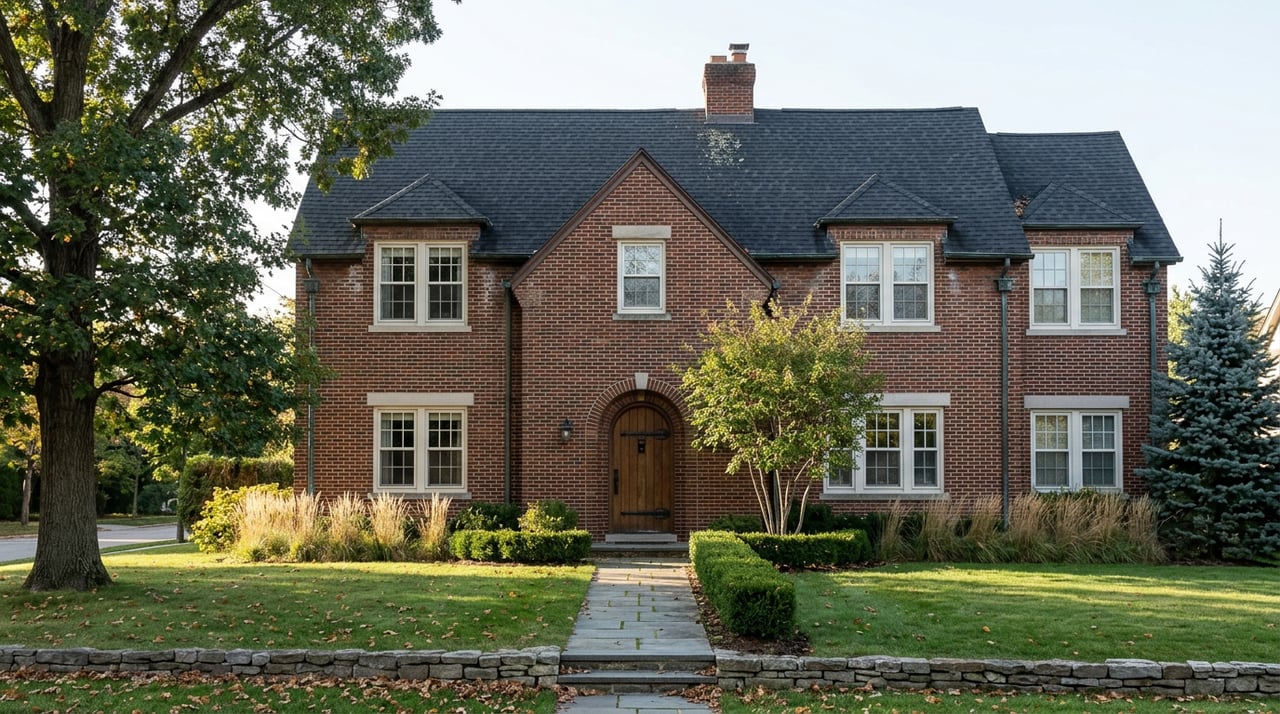
Congress Park architecture
According to the Congress Park survey report, the neighborhood includes 2,409 parcels and 34 architectural styles. Much of Congress Park was built between 1906 and 1929, which helps explain the strong concentration of early 20th-century housing.
The most common single-unit home types include:
- Bungalows
- Foursquares
- Central-block homes with projecting bays
- Gable-front houses
The survey also documented nearly 1,000 bungalows built between 1906 and 1929, along with Craftsman duplexes and small apartment buildings. Several locally designated districts sit within or partly within the neighborhood, including East 7th Avenue, Frank S. Snell Subdivision, Wyman, and Morgan's Subdivision.
City Park West architecture
The City Park West survey report describes the area as predominantly late-19th- and early-20th-century single-family homes and rowhomes. Styles range from Queen Anne Victorians to Craftsman bungalows and Colonial Revival or Prairie-influenced foursquares.
This area also includes several locally designated historic districts, such as East Park Place, Humboldt Street and Park Avenue, Lafayette Street, Park Avenue, and Wyman. In practical terms, that means each block can feel very different. One street may be lined with detached homes, while another may include apartments, hospitals, or newer infill.
Historic does not always mean designated
One of the most important things to understand is that an older home is not automatically a landmarked property. In Congress Park and City Park, many homes have historic character, but not every property is formally designated or located in a historic district.
That distinction matters because Denver Landmark Preservation review applies to locally designated landmarks and properties within historic districts. Before you assume what you can or cannot change, verify the home's status early in your search.
What preservation rules can affect
If a property is landmarked or sits in a historic district, exterior work tied to permits may require additional review. In many cases, owners need a Certificate of Appropriateness for eligible exterior changes.
The city's review generally focuses on exterior work, additions, new construction, and demolition. It generally does not cover interiors, exterior paint colors, or routine maintenance. Changes to windows, doors, trim, and exterior materials often trigger more review, and demolition review is required if a project would remove 40% or more of the exterior wall area, roof surface, or combined wall and roof area.
This is why buying strategy matters. If you want a home you can update quickly and dramatically from the outside, you will want to confirm the rules before you write an offer.
Inspection issues older Denver homes may have
A beautiful older home can be a smart purchase, but condition should drive your due diligence. In Congress Park and City Park, many homes date to periods when building materials and construction methods were very different from today.
Lead-based paint
Lead-based paint is one of the biggest concerns in pre-1978 homes. The EPA notes that 87% of homes built before 1940 and 24% of homes built between 1960 and 1978 contain some lead-based paint.
If you are buying most pre-1978 housing, you should receive lead-disclosure information. This matters even more if you plan to renovate, because disturbing older painted surfaces can create dangerous lead dust.
Moisture and air infiltration
Older homes often have charm where you can see it and vulnerabilities where you cannot. The National Park Service explains in its guidance on controlling moisture that uncontrolled moisture is the most common cause of deterioration in older and historic buildings.
Common trouble spots include:
- Windows and doors
- Foundation cracks
- Gaps around plumbing penetrations
- Gaps around electrical penetrations
The same guidance also notes that historic windows and doors can often be repaired or upgraded rather than replaced. That can be important if you want to improve comfort while preserving original character.
Asbestos in older materials
Asbestos may be present in older floor tile, ceiling tile, pipe wrap, or insulation. The EPA recommends leaving intact material alone, but having a trained professional inspect it if it is damaged or likely to be disturbed during remodeling.
This does not mean every older home is a problem. It means your inspection period should be thoughtful and matched to the age and renovation history of the property.
How to buy with a smart plan
Buying a historic or vintage home is usually smoother when you separate charm from assumptions. The right approach is part design vision, part paperwork, and part maintenance planning.
1. Verify designation status first
Do not assume a home is designated just because it looks historic. Confirm whether it is individually landmarked, located in a local historic district, or simply older housing stock with no formal designation.
2. Match your renovation goals to the rules
If you are dreaming about a rear addition, new windows, exterior material changes, or major reconfiguration, review Denver's preservation process before you commit. Rules may shape the budget, timeline, and design path.
3. Inspect for age-related risks
For homes built in the early 1900s or before 1978, pay close attention to lead-based paint, moisture intrusion, air leaks, and any older materials that could contain asbestos. These are not niche concerns in vintage homes. They are core due diligence items.
4. Budget for ongoing maintenance
Historic homes reward owners who plan ahead. Preservation research and city guidance both point to a practical truth: the strongest buyers are usually the ones who budget for maintenance and preserve character-defining elements instead of treating the property like a blank slate.
Can tax credits help?
In some cases, yes. Denver notes that Colorado's residential historic preservation income tax credit may help with eligible rehabilitation costs on owner-occupied, non-income-producing historic properties.
The credit is 20% of qualified costs, up to $50,000 per property over 10 years, or up to $100,000 for projects completed in or after 2025. In general, the property must be at least 30 years old and designated, or contributing within an eligible historic district, and the work must meet the Secretary of the Interior's Standards.
Qualified expenses can include:
- Masonry work
- Windows and doors
- Roof work
- Weatherization
- Repairs to historic interior finishes
Excluded work includes kitchens, basements, landscaping, fences, and sewer lines. Starting in 2025, the preliminary application must be submitted before the project is complete, so timing matters.
How value is often viewed
When buyers discuss value in Congress Park or City Park, the conversation usually goes beyond price per square foot. Condition, original details, renovation quality, and block context often matter just as much as the word historic.
Broader preservation research on property values suggests that local historic districts do not depress property values and may help protect owner investment by preserving neighborhood character. Some studies also show faster appreciation or stronger resilience in softer markets, though that is never a guarantee.
For you as a buyer, the takeaway is simple. The best outcomes often come from buying the right house on the right block, understanding what is original, and planning improvements that respect the home's defining features.
What this means for your search
If you are drawn to Congress Park or City Park, a historic home can offer design character, central location, and long-term appeal that is hard to duplicate. The key is going in with clear eyes: verify designation status, understand exterior review rules, inspect carefully, and budget for preservation-minded maintenance.
That is where experienced guidance matters. When you are weighing architecture, renovation potential, and neighborhood context at the same time, a thoughtful buying strategy can help you avoid surprises and focus on the homes that truly fit your goals. If you are exploring historic and character-rich homes in central Denver, Helm Weaver Helm can help you navigate the process with clarity and care.
FAQs
What kinds of historic homes are common in Congress Park, Denver?
- Congress Park is known for early 20th-century housing, especially bungalows, foursquares, central-block homes with projecting bays, and gable-front houses.
Are all older homes in Congress Park or City Park in a historic district?
- No. Many homes have historic character, but not every older property is formally designated or located within a local historic district, so you should verify the exact property status.
What exterior changes may need review for a designated historic home in Denver?
- Exterior work tied to permits, including some additions, window or door changes, material changes, new construction, and demolition, may require Denver Landmark Preservation review.
What inspection issues matter most when buying an older Denver home?
- Lead-based paint, moisture intrusion, air infiltration, and older materials that may contain asbestos are some of the most important issues to evaluate during due diligence.
Can buyers get a tax credit for restoring a historic home in Denver?
- Possibly. Colorado's residential historic preservation income tax credit may apply to qualifying owner-occupied historic properties and eligible rehabilitation work, subject to program rules and application timing.
Is buying a historic home in City Park West a good long-term investment?
- It can be appealing for buyers who value character and are prepared for maintenance, but value depends on factors like condition, original features, renovation quality, and the property's exact block and designation context.