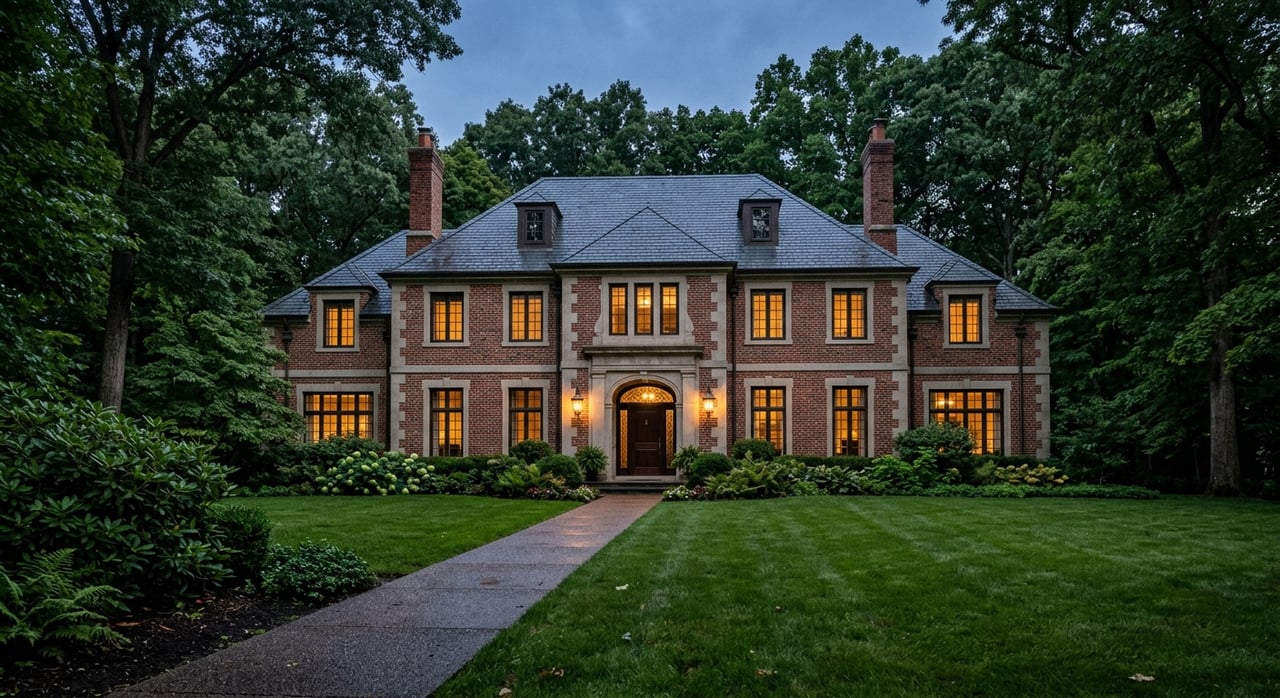
Wondering whether Denver Country Club is worth the premium? If you are drawn to historic architecture, larger lots, and a quieter, estate-like feel near central Denver, this neighborhood often rises to the top of the list. The key is knowing what you are really buying here: not just a home, but a setting, a streetscape, and a preservation framework that shape long-term value. Let’s dive in.
Why Denver Country Club Stands Out
Country Club is one of Denver’s best-known early 20th-century neighborhoods, and that history is a big part of its appeal. The Country Club Historic District was designated a Denver Landmark District in 1990, with a period of significance from 1902 to 1945. The district includes 380 residences and developed alongside the Denver Country Club and its park-like golf course on Cherry Creek.
For many buyers, that historic status is not just a point of pride. It helps explain why the neighborhood feels distinct from other luxury areas in Denver. You are buying into a place where architecture, lot layout, and open space have been important for well over a century.
Another layer of value comes from architectural pedigree. Many of the larger homes were designed by prominent Denver architects, including William E. and Arthur A. Fisher, John J. Huddart, Frank Frewen, Ernest and Lester Varian, and Merrill and Burnham Hoyt. If you care about design, that legacy adds meaning beyond square footage alone.
Architecture Defines the Experience
Country Club is not a one-style neighborhood. According to the district’s design guidelines, you will find a mix of Denver Squares or Four-squares and eclectic revival homes, with Colonial and Mediterranean variants especially common. Gothic revival examples and some bungalows also appear.
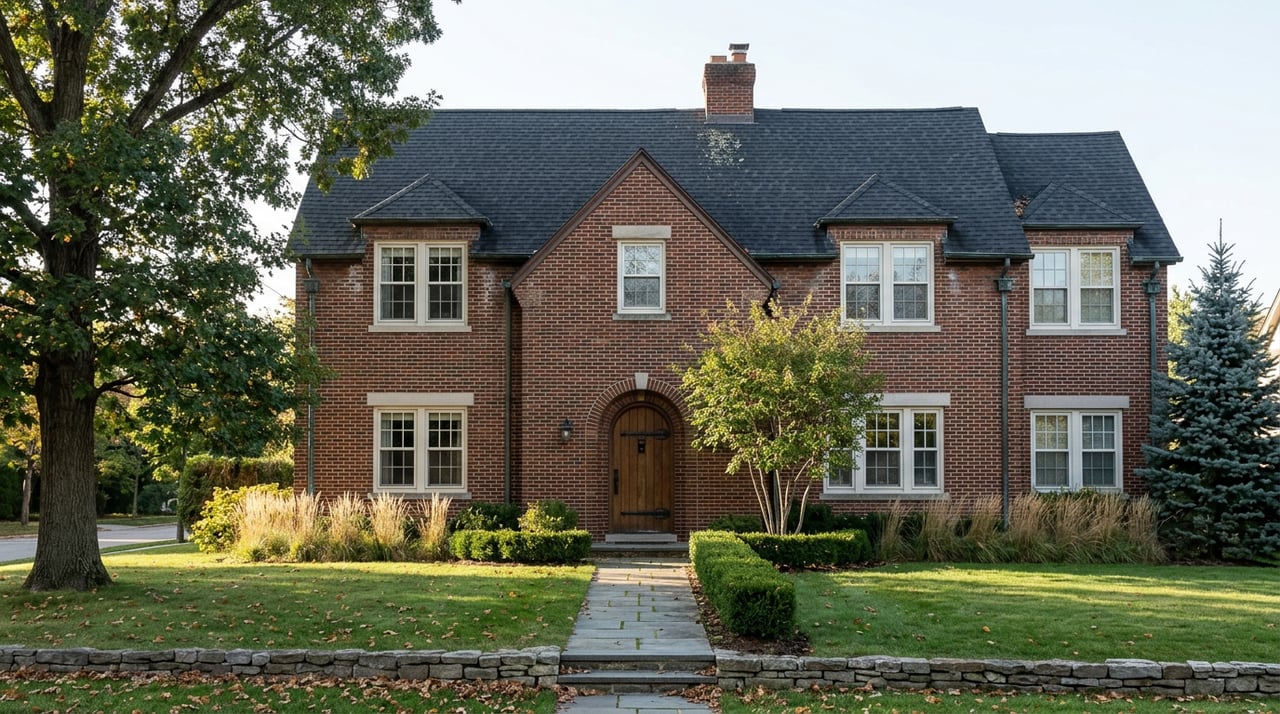
Most homes are 1.5 to 2 stories, often with brick or stucco exteriors, steep gable or hip roofs, and vertically emphasized windows. That consistent scale helps the neighborhood feel cohesive, even when the architectural details vary from block to block.
This matters if you are comparing Country Club to newer luxury housing. Here, visual interest often comes from craftsmanship, proportion, and placement rather than sheer size or trend-driven finishes. Buyers who appreciate timeless design often see that as a major advantage.
Not Every Block Feels the Same
One of the most useful things to know before buying is that Country Club changes subtly from one area to another. The district guidelines divide the neighborhood into four subdistricts, and each has its own street pattern and visual rhythm.
For example, Country Club Place features landscaped parkways and detached sidewalks. Park Lane Square has narrow curving streets and no sidewalks. Other parts of the district vary in lot spacing, gateways, and how closely homes sit to each other.
That means your experience can shift meaningfully by block. If you are home shopping here, it helps to look beyond the address and pay close attention to the immediate streetscape.
The Spacious Feel Is Part of the Value
Country Club is as much about planning as it is about architecture. The neighborhood’s design guidelines emphasize broad front and side setbacks, open yards, gateways, parkways, and tree lawns. That pattern is one reason the area feels so open compared with many other close-in Denver neighborhoods.
In Park Club Place, many homes sit on 50-foot-wide lots. Elsewhere, lot widths often range from 75 feet to a quarter block or more. Typical front setbacks are 20 to 30 feet or more, while side setbacks can run from 20 to 40 feet.
For you as a buyer, that spacing affects more than curb appeal. It shapes privacy, light, landscaping potential, and the overall sense of calm that many people are seeking when they shop at this price point.
What Buying Here Means for Renovation Plans
If you love the area but plan to update or expand a home, this is where due diligence matters. In Denver landmark districts, the Landmark Preservation Commission reviews exterior alterations, additions, new construction, signs, and non-vegetative site work.
At the same time, the city’s preservation guidance says that review does not include interior work, exterior paint colors, or general maintenance. So if your vision is mostly inside the home, the process may be more straightforward than some buyers assume.
What Usually Gets More Review
Many smaller projects can be reviewed administratively. Larger additions, pop-tops, infill, or historic window replacement may go before the Landmark Preservation Commission.
The district’s criteria focus on compatibility rather than exact replication. In practice, that means height, front-facade proportion, massing, placement, and materials are central to the review process.
For buyers, that creates an important distinction. A home can be a strong renovation candidate without being a blank slate. The best opportunities are often properties where the lot size, setbacks, and garage placement already fit the neighborhood’s established open-space pattern.
Why Preservation Can Support Value
The designation documents note that historic-district status may enhance value, though it may also delay or require denial of permits that do not meet the criteria. That tradeoff is part of what makes Country Club different from less regulated luxury neighborhoods.
In simple terms, the same rules that can limit certain exterior changes also help preserve the spaciousness and visual character that buyers are paying for. The guidelines specifically warn that additions, new construction, and heavy fencing can erode the openness that defines the district.
How Country Club Compares on Price
Country Club sits in a very different pricing tier than the broader Denver metro. In the latest Redfin snapshot, the neighborhood had a median sale price of $2.49 million. By comparison, REcolorado’s May 2026 Denver metro infographic put the broader metro median closed price at $615,000.
That gap tells you this is a premium market. It also reflects the neighborhood’s limited supply, historic character, and larger-lot setting near central Denver.
Still, it is smart to read headline pricing carefully. The latest snapshot was based on a very small sales sample, with 10 homes sold in the most recent 3-month period ending May 2026.
A Smaller, Slower Market
Country Club also showed 87 median days on market in that same snapshot. Cherry Creek posted a median sale price of $1.65 million with 23 days on market and 54 homes sold, while Washington Park posted a median sale price of $1.41 million with 15 days on market and 59 homes sold.
That does not automatically mean Country Club is weaker. It suggests a less liquid, more niche market where buyers and sellers may take longer to align on fit, condition, and value. In a neighborhood with fewer transactions and more one-of-a-kind homes, patience can be part of the process.
Country Club vs. Cherry Creek vs. Washington Park
If you are choosing among Denver’s top central neighborhoods, lifestyle often matters just as much as architecture. The differences between these three areas are meaningful.
Cherry Creek is the most mixed-use and amenity-dense of the group. Visit Denver describes more than 300 places to shop, dine, or be pampered, along with more than 75 cafes and restaurants, 50 spas and salons, five hotels, and recurring events such as Cherry Creek North Live & Local and the Cherry Creek Arts Festival.
Washington Park is more park-centered. The park spans 165 acres and includes two lakes, 10 tennis courts, a meadow used for lawn sports, flower gardens, and a recreation center. Nearby retail and dining districts add another layer of convenience.
Country Club offers a different value proposition. Based on the available sources, it is the most estate-like and preservation-sensitive of the three, while Cherry Creek is the most urban and Washington Park is the most park-oriented.
Which Buyer Tends to Prefer Country Club
Country Club often appeals to buyers who want classic architecture, a more residential visual environment, and a neighborhood where open space around the home is part of the identity. If that is your priority, the premium can make sense in a way that goes beyond a simple price-per-square-foot comparison.
If you want a faster-moving market and a denser mix of shopping and dining, Cherry Creek may feel like a better fit. If being close to a large signature park is at the top of your list, Washington Park may offer a stronger lifestyle match.
Smart Buying Questions to Ask
Before you buy in Country Club, it helps to go in with a sharper checklist. This neighborhood rewards buyers who look closely at both the home and its setting.
Ask questions like:
- How does this block differ from nearby blocks in sidewalks, parkways, and spacing?
- What are the lot width, front setback, and side setback patterns on this stretch?
- If you plan changes, which exterior items may need city review?
- Does the existing garage placement support future compatibility with the district pattern?
- Are you paying for turnkey condition, architectural significance, lot quality, or some combination of all three?
These questions can help you separate a beautiful house from a truly strong long-term fit.
Final Takeaway on Buying in Country Club
Buying in Denver Country Club is often less about chasing the newest luxury trend and more about investing in permanence. The neighborhood’s historic district status, architectural depth, generous setbacks, and varied block-by-block character create a living environment that is hard to replicate elsewhere in central Denver.
That said, value here depends on buying with clarity. You want to understand the preservation framework, the realities of a smaller sales sample, and the subtle differences between subareas before you make a move.
If you are considering Country Club and want senior-level guidance on neighborhood fit, design potential, and how this market compares with Cherry Creek or Washington Park, connect with Helm Weaver Helm for a thoughtful, tailored conversation.
FAQs
What makes Denver Country Club different from other luxury Denver neighborhoods?
- Denver Country Club stands out for its historic district status, early 20th-century architecture, broad setbacks, open yards, and more estate-like feel compared with more urban or park-centered luxury neighborhoods.
What home styles are common in Denver Country Club?
- The district includes Denver Squares or Four-squares, eclectic revival homes, Colonial and Mediterranean variants, plus some Gothic revival homes and bungalows.
What should buyers know about renovations in Denver Country Club?
- In this Denver landmark district, exterior alterations, additions, new construction, signs, and non-vegetative site work are reviewed, while interior work, exterior paint colors, and general maintenance are not included in that review.
How expensive is Denver Country Club compared with Cherry Creek and Washington Park?
- In the latest snapshot, Country Club had a median sale price of $2.49 million, compared with $1.65 million in Cherry Creek and $1.41 million in Washington Park.
Is the Denver Country Club market more competitive or more niche?
- The latest data suggest a more niche and less liquid market, with fewer sales and longer median days on market than Cherry Creek or Washington Park.
How do you decide if Country Club is the right fit for your lifestyle?
- Country Club may be the right fit if you value historic architecture, larger lots, and a preservation-sensitive setting more than a dense retail scene or a park-centered daily routine.