Are you torn between a sleek new build and a brick bungalow with real history? In LoHi and the Highlands, that choice is especially common because the area offers both modern infill and a deep mix of older architecture. If you are trying to decide which option fits your lifestyle, budget, and long-term plans, this guide will help you weigh the tradeoffs with more confidence. Let’s dive in.
Why this choice matters here
LoHi and the broader Highlands are not one-note neighborhoods. Visit Denver describes the area as a group of adjoining districts with Victorian-era homes and buildings, parks, shops, galleries, and restaurants, while LoHi in particular blends old and ultra-modern architecture.
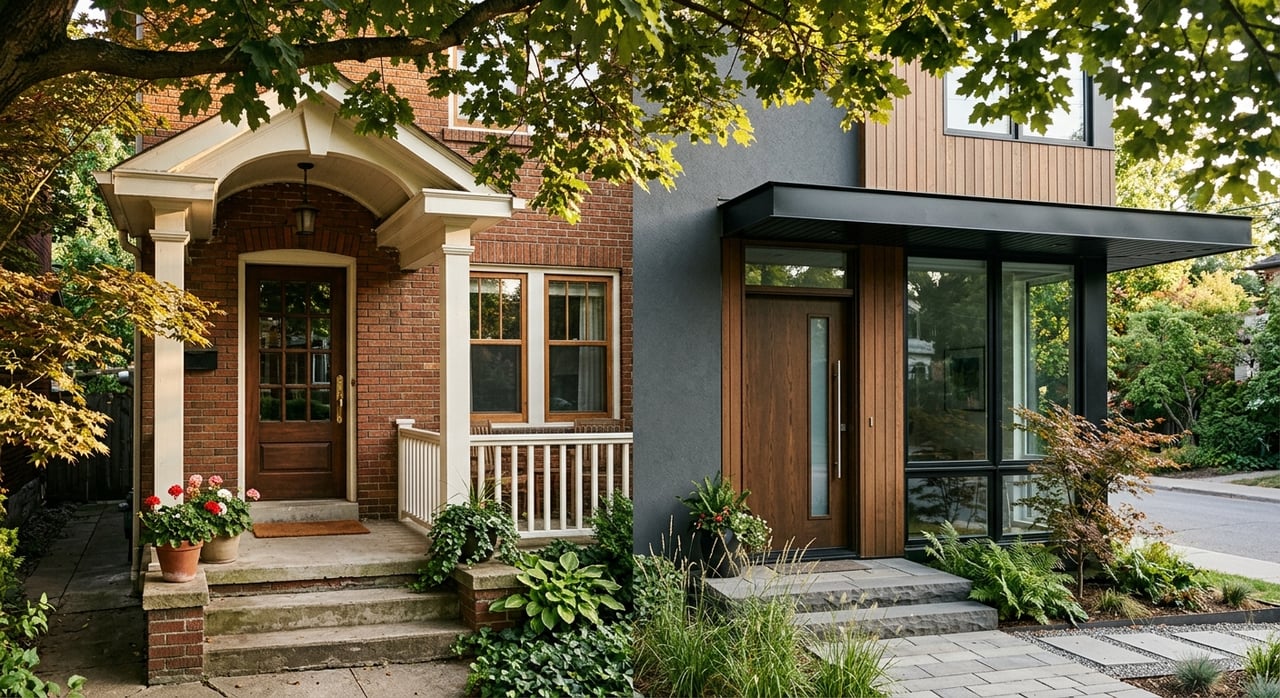
That mix means you are often not just choosing a location. You are choosing between two very different ownership experiences. In the same general area, you may find a newer townhome built for low-maintenance living or a vintage home with a porch, mature trees, and details that are hard to replicate.
What defines a vintage Highlands home
In Highland’s historic core, especially Potter-Highlands, older homes stand out because of both architecture and block pattern. Denver’s landmark guidance points to styles like Queen Anne, Craftsman Bungalow, Classic Cottage, Denver Square, Colonial Revival, Dutch Revival, Mission, and Prairie, with many structures built in brick masonry.
You also feel the difference at the street level. The area includes shallow front yards, mature trees, sandstone and concrete sidewalks, and alley-loaded lots that came from the historic carriage-lot pattern. All of that gives many blocks a more established, intimate feel.
For many buyers, that character is the whole point. A vintage home can offer unique floor plans, original exterior materials, and a sense of place that feels layered rather than brand new.
What defines a new build or newer townhome
Newer homes in LoHi and the Highlands usually appeal for a different reason. They tend to offer more predictable function, cleaner lines, newer systems, and fewer projects right after closing.
Denver’s residential energy-code policy for new detached homes, one- and two-family homes, and townhouses requires documentation like blower-door, duct-leakage, and mechanical-ventilation test results before a certificate of occupancy is issued. For you, that can translate into a home that starts with a more current performance baseline.
From an efficiency standpoint, newer construction may also align better with modern heating and cooling systems. The U.S. Department of Energy notes that properly installed air-source heat pumps can deliver two to four times more heat energy than the electricity they consume, and that insulation, air sealing, and energy-efficient windows and doors matter for comfort and efficiency.
Denver also offers rebates for certain heat pump upgrades for eligible single-family homes, duplexes, and townhomes, with pre-approval required before work begins. That matters most if energy performance and future upgrade options are part of your buying decision.
The biggest strengths of a new build
If you want simpler ownership, a new build or newer townhome often checks that box. In today’s market, that convenience can carry real value.
DMAR reports that buyers are prioritizing move-in-ready homes and are increasingly willing to pay for condition rather than potential. In practical terms, that means updated finishes, newer mechanical systems, and less deferred maintenance may help a home stand out.
Here is where newer homes often win:
- Lower near-term maintenance needs
- More current energy performance standards
- Newer heating, cooling, and ventilation systems
- More predictable repair timelines in the first few years
- Layouts that often support contemporary daily living
If your priority is lock-and-leave convenience or a more turnkey move, newer product can be very appealing.
The biggest strengths of a vintage charmer
Vintage homes tend to win on feel. They often offer architectural detail, established landscaping, front porches, and a street presence that is hard to duplicate in new construction.
In Potter-Highlands, Denver highlights one- to two-story homes with boxy massing, offset entries, gabled and hipped roofs, and extensive brick construction. That creates visual variety and a more collected neighborhood texture.
Many buyers are drawn to older homes because they feel more personal and less standardized. If you care about craftsmanship, mature streetscapes, and a home with visible history, a vintage property may feel more rewarding over time.
The tradeoffs buyers should expect
No home type is perfect. The better question is which tradeoffs fit your priorities.
Older homes often require more ongoing attention to roofs, windows, mechanical systems, and exterior components. The research also suggests that deferred upkeep matters more in the current market, since buyers are putting a growing premium on homes that feel well maintained.
Newer homes may reduce repair risk in the short term, but they do not always deliver the same lot feel, exterior texture, or architectural warmth as older homes in the historic core. If emotional connection to the property matters most, that difference can be important.
Historic district rules to understand
If you are considering a vintage home in a historic district, flexibility matters just as much as charm. Denver states that all properties in a historic district are subject to design review for exterior changes that require a building or zoning permit.
Landmark Preservation reviews those exterior changes on landmark or historic-district properties. Even garages in historic districts require a certificate of appropriateness before the normal permit process.
That does not mean you should avoid historic homes. It does mean you should go in with clear expectations if you hope to alter the exterior, expand, or substantially change visible features over time.
What the local market is signaling
Current pricing and pace show continued demand in both areas. Redfin reported a median sale price of $865,000 in LoHi for the three months ending March 2026, up 0.4% year over year, with a median of 27 days on market.
For Highland, Redfin reported a median sale price of about $1.0 million for the three months ending May 2026, up 23.4% year over year, with a median of 25 days on market. Those numbers point to strong demand, but they do not mean every property performs the same way.
At the metro level, REcolorado described Denver’s April 2026 market as steady and balanced, while DMAR said active inventory was near decade highs and buyers held real negotiating power. That combination usually rewards homes that show well, feel current, and present fewer immediate projects.
Which option may hold value better
In LoHi and the Highlands, value is likely shaped by more than age alone. The research points to a blend of location scarcity, walkability, and condition.
New builds and newer townhomes may capture a turnkey premium because they lower near-term repair risk. Well-renovated vintage homes can also perform strongly because the supply of character-rich housing in the historic core is limited.
The homes that may face more resistance are the ones caught in the middle. If a property feels dated or shows signs of deferred maintenance, buyers may negotiate harder or take longer to commit.
How to decide what fits you best
A simple framework can make this choice easier. Start with how you want to live, not just what looks best online.
A new build or newer townhome may be the better fit if you want:
- Easier day-to-day ownership
- Newer systems and fewer immediate repairs
- More predictable energy performance
- A move-in-ready home with less renovation planning
A vintage charmer may be the better fit if you want:
- Architectural character and original detail
- Mature trees and an established streetscape
- Front porch living and a more traditional neighborhood feel
- A home you are comfortable improving over time
If you love both, narrow your decision by asking two questions:
- How much ongoing maintenance are you truly comfortable with?
- How important is historic character compared with turnkey convenience?
Your answers usually point in the right direction quickly.
A smart strategy for buying in LoHi or Highland
Because product type varies so much here, it helps to compare homes through a lifestyle lens instead of just square footage or price. Two homes at similar price points may deliver very different ownership costs, design flexibility, and day-to-day experience.
That is where local guidance matters. A senior-led team that understands presentation, condition, and block-by-block appeal can help you evaluate not just what a home is today, but how well it fits your goals over the next several years.
If you are weighing a modern townhome against a historic bungalow in Highland or LoHi, Helm Weaver Helm can help you compare the real tradeoffs and find the right fit with clarity.
FAQs
What is the main difference between a new build and a vintage home in LoHi and Highlands?
- A new build usually offers newer systems, more predictable maintenance, and more current energy performance, while a vintage home often offers more architectural character, mature landscaping, and a more established streetscape.
Are historic homes in Highland subject to design review?
- Yes. Denver says properties in historic districts are subject to design review for exterior changes that require a building or zoning permit, and some projects also require a certificate of appropriateness.
Why are newer townhomes popular in LoHi?
- Newer townhomes appeal to buyers who want move-in-ready condition, newer mechanical systems, and fewer near-term repair projects in a neighborhood with strong restaurants, parks, galleries, and nightlife.
Do vintage homes in Potter-Highlands have distinct architecture?
- Yes. Denver identifies styles in Potter-Highlands that include Queen Anne, Craftsman Bungalow, Classic Cottage, Denver Square, Colonial Revival, Dutch Revival, Mission, and Prairie.
What is the recent market trend for LoHi and Highland homes?
- Recent data in the research report shows strong pricing in both areas, with LoHi and Highland posting high median sale prices and relatively quick days on market, while buyers across Denver are placing more value on move-in-ready condition.
Which home type is better for lower maintenance in Highlands?
- In general, a new build or newer townhome is better suited for buyers who want lower near-term maintenance and fewer immediate upgrade needs.