Trying to choose between Hilltop, Park Hill, and Crestmoor? You are not alone. These three east Denver neighborhoods can all look appealing at first glance, but they offer very different day-to-day experiences once you look past the street trees and handsome homes. This guide will help you compare housing feel, park access, recreation, and daily rhythm so you can narrow in on the neighborhood that truly fits your lifestyle. Let’s dive in.
Why these neighborhoods feel different
Hilltop, Park Hill, and Crestmoor are all established residential neighborhoods in east Denver, but they are not interchangeable. Hilltop and Crestmoor tend to feel more enclave-like and self-contained, while Park Hill offers the broadest mix of housing eras, home sizes, and cultural adjacency.
That difference matters when you are deciding where to focus your home search. The right fit often comes down to how you want your neighborhood to function every day, not just how a home looks online.
Hilltop at a glance
Hilltop is often the neighborhood buyers consider when they want a classic Denver setting with substantial lots, mature trees, and strong park access. It was shaped by water infrastructure and streetcar-era development, and it was annexed to Denver in 1893.
The neighborhood association describes Hilltop as known for its architecture and tree-lined streets. The neighborhood is generally zoned E-SU-G, with a 9,000-square-foot minimum lot size, which helps explain the roomy feel many buyers notice block to block.
Hilltop housing feel
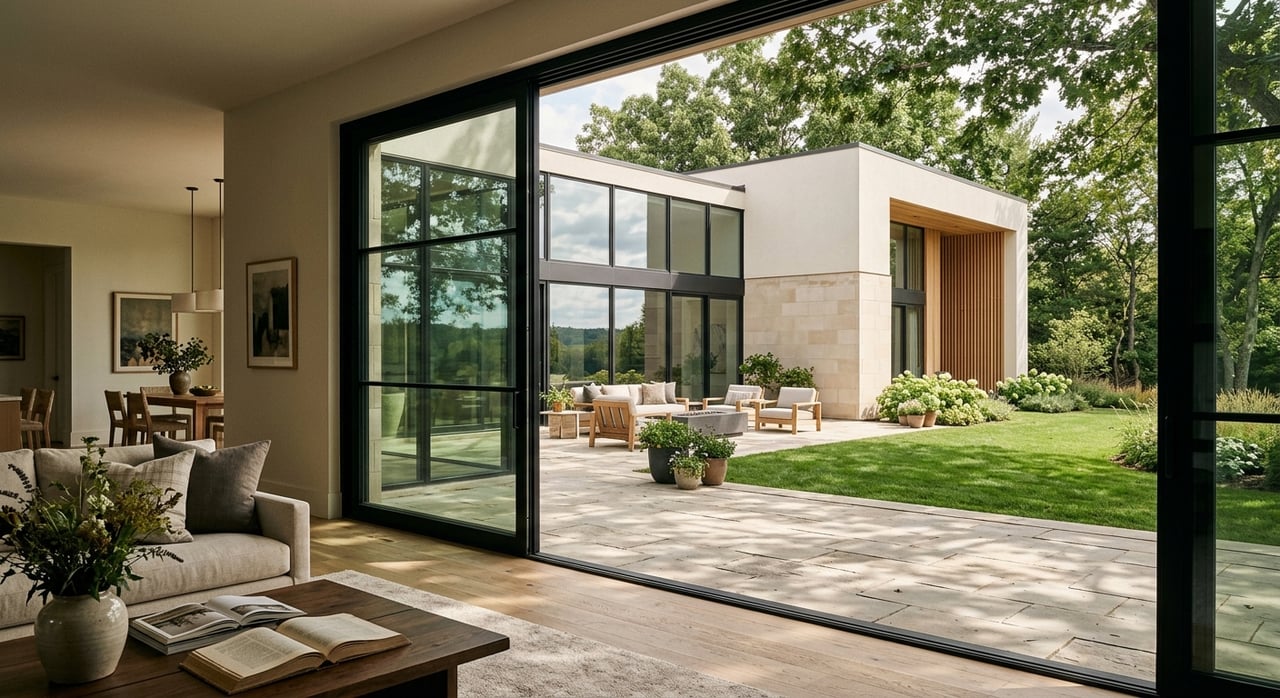
Hilltop combines older homes with notable mid-century and modernist infill. Denver Public Library materials on architect Victor Hornbein help show that the area includes more than one design era, so you may see a mix of traditional and more modern architectural expression.
If you want a neighborhood with a polished, established look and larger residential parcels, Hilltop often stands out. It can appeal to buyers who value both architectural character and a sense of breathing room.
Hilltop parks and access
Green space is one of Hilltop’s clearest strengths. The neighborhood association lists Cranmer Park, Robinson Park, Burns Park, and 6th Avenue Parkway as defining parts of the area.
Cranmer Park is especially well known for its mountain views and sundial. The 6th Avenue Parkway also creates an east-west green corridor through the neighborhood, adding to Hilltop’s open, park-rich feel.
Hilltop commute pattern
Hilltop sits immediately east of Colorado Boulevard, which gives it a straightforward orientation for many Denver buyers. Residents commonly use that corridor for trips to Cherry Creek, downtown, I-70, and destinations farther south.
For buyers relocating to Denver, that can make Hilltop easy to understand quickly. It tends to suit people who want a residential setting without giving up practical access to major destinations.
Park Hill at a glance
Park Hill is often the strongest match if you want the widest range of home styles and sizes. It was platted in 1887 east of City Park, and over time it developed into one of Denver’s most architecturally varied neighborhoods.
Compared with Hilltop and Crestmoor, Park Hill offers the broadest housing mix. That variety can be especially helpful if you want flexibility in scale, style, or price point within one general area.
Park Hill housing variety
Denver Public Library notes that Park Hill developed over several decades, with housing styles ranging from Victorian forms to Arts and Crafts homes to modest mid-century houses. Historic core materials are even more specific, describing homes from 750-square-foot alley houses to mansions of more than 6,000 square feet, with many homes in the 1,000- to 2,800-square-foot range.
That range applies to the historic core materials, not necessarily every block across the full neighborhood. Still, it helps explain why Park Hill often feels more varied and less uniform than Hilltop or Crestmoor.
Park Hill parks and culture
Park Hill’s biggest location advantage is its adjacency to City Park. Early developers used City Park as both a buffer and a point of distinction, and today that edge also includes major cultural institutions like the Denver Museum of Nature & Science and the Denver Zoo.
If you want your neighborhood choice to connect you to both green space and well-known civic destinations, Park Hill is the strongest of the three. For many buyers, that adds energy and convenience to everyday life.
Park Hill movement and boundaries
Park Hill began as a streetcar suburb and became an automobile suburb by the early 1930s. Its broader boundaries are Colfax Avenue, Colorado Boulevard, 52nd Avenue, and Quebec/Syracuse, so daily movement often relates more to those surrounding roads than to one central internal commercial spine.
In practical terms, Park Hill can feel broader and more varied in its internal rhythm. That may appeal to you if you want a neighborhood with multiple pockets and a less enclosed feel.
Crestmoor at a glance
Crestmoor is often the best fit for buyers who want a quieter, more residential setting with a traditional visual identity. Its identity is shaped strongly by the community association and by design guidelines in Old Crestmoor, also known as Crestmoor Filing One.
Founded in 1954, Crestmoor tends to feel more controlled and more uniform than either Hilltop or Park Hill. For some buyers, that consistency is exactly the point.
Crestmoor housing character
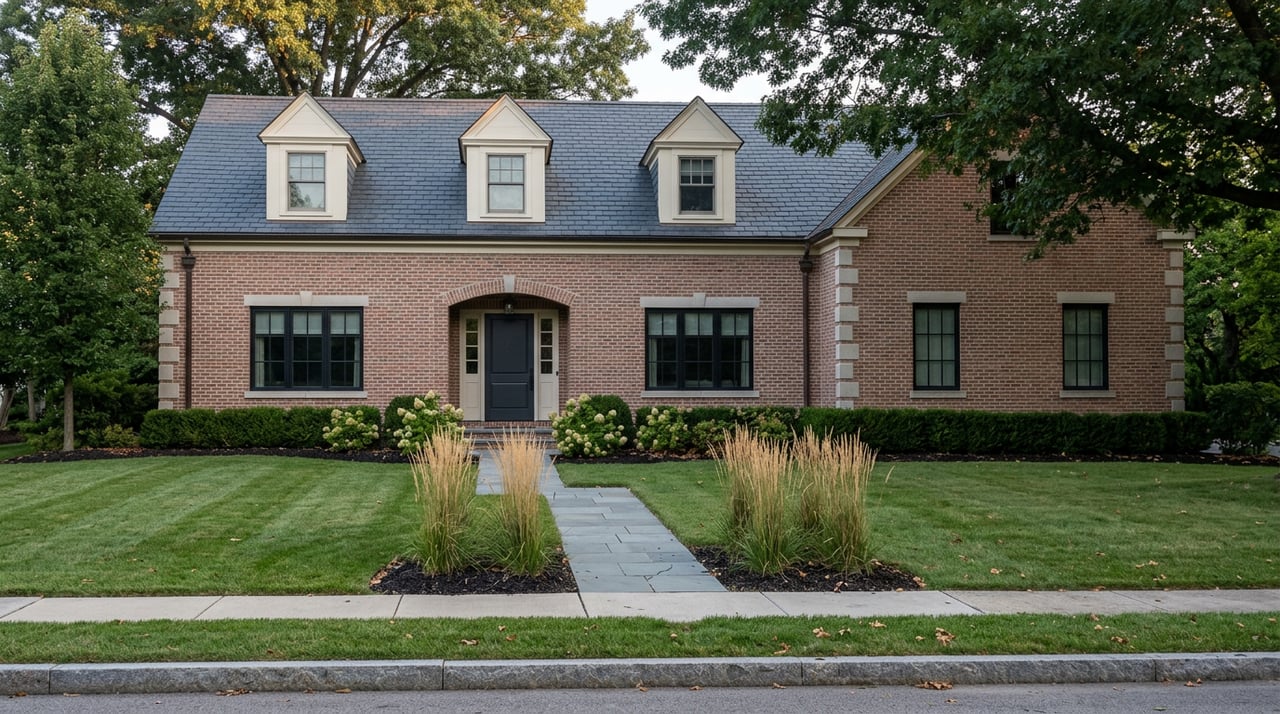
The filing-one guidelines describe homes built from 1936 into the 1960s, typically including two-story red-brick homes with pitched roofs, broad front lawns, mature trees, and a 9,000-square-foot minimum lot size. The guidelines also emphasize compatibility with the existing architectural character.
That helps explain why Crestmoor often presents as cohesive and traditional. If you are drawn to classic homes and a strong sense of visual continuity, Crestmoor may rise to the top of your list.
Crestmoor recreation lifestyle
Crestmoor has a particularly strong recreation identity. The community association facility page lists six hard-surface outdoor tennis courts, a 25-meter heated pool, a recreation pool, a gated toddler pool, a playground, and a large pavilion.
That means Crestmoor’s day-to-day lifestyle is shaped not only by residential streets, but also by a club-centered recreation environment. If you want a neighborhood that feels self-contained and activity-oriented, Crestmoor stands apart.
Crestmoor traffic flow
Crestmoor tends to funnel movement outward to surrounding arterials rather than functioning as a through-corridor itself. Filing-one guidelines note that Ivy Lane and Crestmoor Drive connect to Sixth Avenue Parkway, and the city’s Holly Street traffic study covers Holly between 8th Avenue and Leetsdale Drive.
For many buyers, that translates into a quieter internal feel. If you prefer a neighborhood that reads as highly residential from the inside, Crestmoor may be especially appealing.
How to choose your fit
The best neighborhood for you depends on what you want your daily life to look like. All three offer established east Denver settings, but each one emphasizes something different.
Here is a simple way to think about it:
- Choose Hilltop if you want a balanced mix of classic architecture, larger lots, strong park access, and a commute pattern that feels easy to understand.
- Choose Park Hill if you want the broadest range of home styles and sizes, plus the strongest connection to City Park and nearby cultural institutions.
- Choose Crestmoor if you want a more self-contained, recreation-anchored residential enclave with traditional homes and a cohesive feel.
Questions to ask yourself before touring
Before you start scheduling showings, it helps to define what matters most to you. That can save time and sharpen your search.
Ask yourself:
- Do you want more housing variety or a more uniform neighborhood feel?
- Is public park access your priority, or are you more drawn to recreation amenities within a club-centered setting?
- Do you want a neighborhood with broad cultural adjacency, or one that feels more tucked in?
- Is lot size and spatial feel a major factor in your decision?
- Do you want your commute pattern to be simple and intuitive from day one?
A smarter way to narrow your search
When neighborhoods are this strong, the choice is rarely about which one is “best.” It is about which one best matches how you want to live.
That is where local guidance can make a real difference. A thoughtful home search should compare not just listings, but also block-by-block feel, housing consistency, access patterns, and the kind of lifestyle each neighborhood naturally supports.
If you are weighing Hilltop, Park Hill, or Crestmoor and want a polished, highly informed perspective on where you may fit best, the team at Helm Weaver Helm can help you evaluate the options with clarity and confidence.
FAQs
What kind of home variety can you expect in Park Hill?
- Park Hill offers the widest range of housing styles and sizes of the three, with architecture spanning Victorian, Arts and Crafts, and mid-century homes.
What makes Hilltop appealing to Denver homebuyers?
- Hilltop often appeals to buyers who want larger lots, tree-lined streets, multiple parks, and practical access to Cherry Creek, downtown, and other major destinations.
What gives Crestmoor its distinct neighborhood feel?
- Crestmoor is shaped by traditional housing character, compatibility-focused design guidelines, and a recreation-centered environment anchored by community amenities.
Which east Denver neighborhood has the strongest park access?
- Hilltop is especially park-rich within the neighborhood itself, while Park Hill stands out for its adjacency to City Park and nearby cultural destinations.
How should you choose between Hilltop, Park Hill, and Crestmoor?
- Start by comparing the lifestyle you want most, including home style, lot feel, recreation preferences, park access, and how enclosed or varied you want the neighborhood to feel.