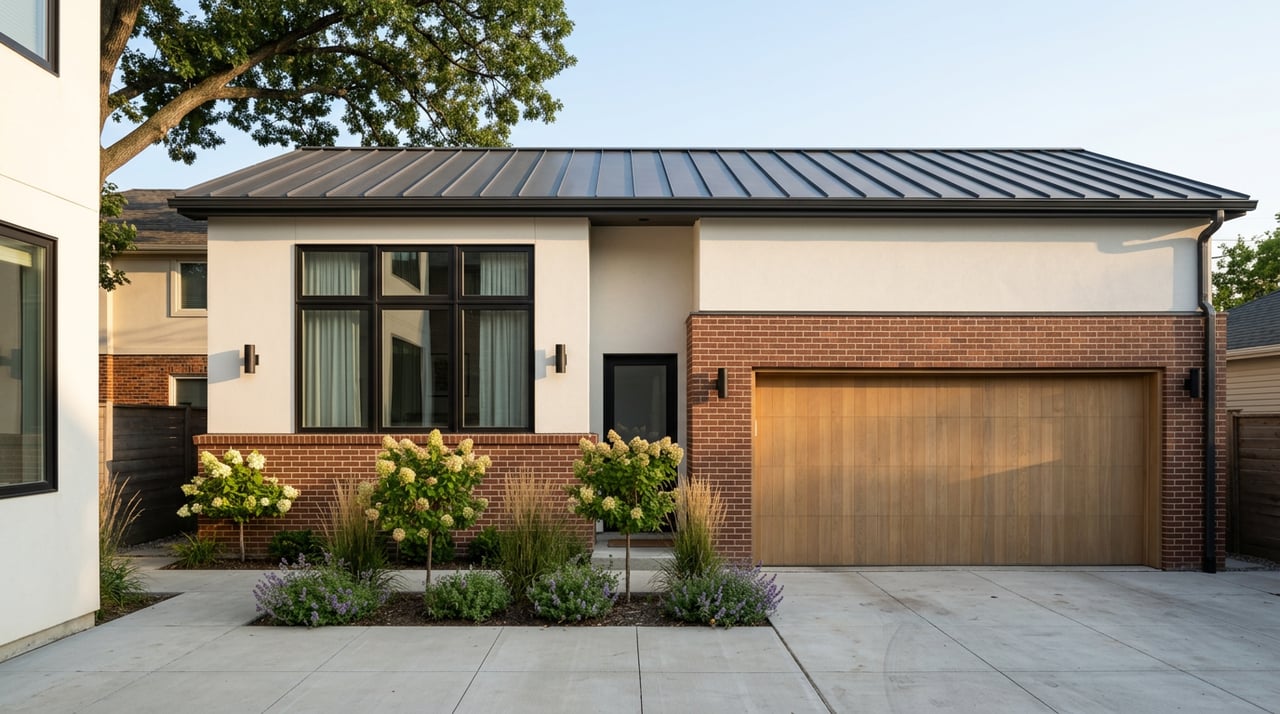
What if your Sloan’s Lake or West Highland home could help pay its own way? If you love Denver’s west side but want to offset your monthly cost, house-hacking with a duplex, a basement apartment, or an accessory dwelling unit (ADU) can be a smart path. In this guide, you’ll learn the local property types that work, the rules that matter, what rents and costs look like, and how financing treats rental income. Let’s dive in.
Two ways to house-hack
Live in one unit, rent the other
Buying an owner-occupied duplex or small multi-unit lets you live in one unit and rent the other. Lenders often allow a portion of the other unit’s projected rent to help you qualify, with documentation. The FHA Single Family Housing Policy Handbook explains how fair-market rent is documented and how much can count in underwriting.
Single home with a basement or ADU
You can buy a single-family home that already has a lower-level apartment or space to add an ADU. Many older homes here have basements and alley access, which can support attached or detached ADUs. Denver’s ADU standards tie detached ADU size to lot size, so always confirm what your lot can support in advance using city resources and codes.
What you’ll find locally
Stock that suits ADUs and rentals
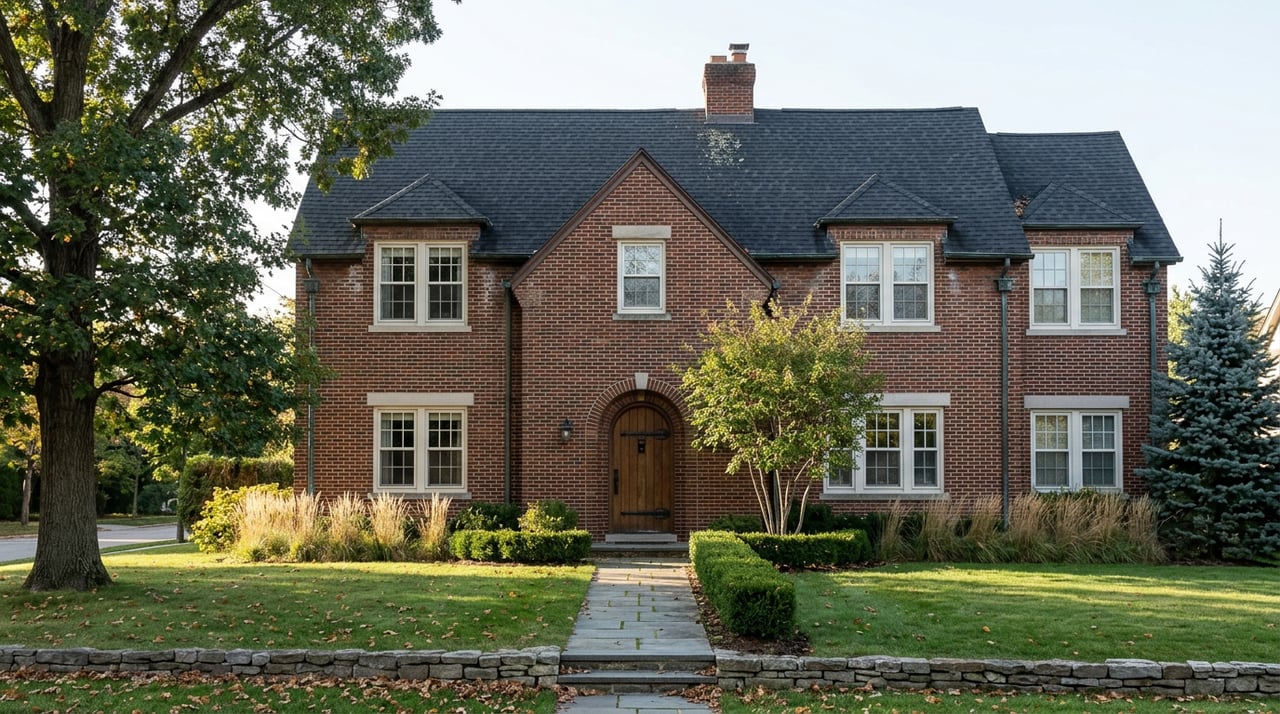
Sloan’s Lake and West Highland include classic bungalows, Denver Squares, and Victorians on alley lots, plus some small multi-unit buildings. These older homes often have deep rear yards and basements that can be adapted for separate living. Denver’s background materials outline how lot size and context influence ADU massing and design standards in urban neighborhoods like these. See the city’s ADU background report for the framework.
Key physical constraints
Lot size, setbacks, and alley access will shape what you can build. Small lots typically allow smaller detached ADUs. Basements must meet life-safety rules before you can rent them as a separate dwelling. That includes egress windows and window wells that meet International Residential Code requirements enforced by Denver inspectors. For technical context on egress dimensions and window-well rules, review the IRC commentary reference on sleeping room egress.
Can you add an ADU here?
Where ADUs are allowed
Colorado’s HB24-1152 directs many jurisdictions to allow one ADU with streamlined approval, which shapes local rules and timelines. You should review both state law and Denver’s current guidance to understand what is allowed on your block. Start with the legislative overview for HB24-1152, then confirm parcel-level eligibility on Denver’s map.
Permits and approvals in Denver
Denver requires zoning, building, and SUDP permits for ADUs, followed by trade permits and inspections. A Certificate of Occupancy is required before anyone lives in the unit, and ADUs receive a separate address. Some areas may also need Landmark Preservation review. The city outlines process details, contractor licensing expectations, and access rules on its ADU permits page.
Basement apartments and legality
If you plan to rent a basement as a separate dwelling, you must meet code and obtain permits and a Certificate of Occupancy. Expect to confirm egress, ceiling heights, fire separation, mechanical and electrical needs. Many older lower-level rentals exist informally. Budget for upgrades to bring the space to code before advertising it as a separate unit.
What the numbers look like
Rents to benchmark
For neighborhood context, recent aggregator snapshots show 1-bedroom rents in Sloan’s Lake in roughly the low $2,000s, with variation by building and season. You can compare the current local trend on Zumper’s Sloan’s Lake rent index. In West Highland, one-bedroom averages often land in the high $1,700s to low $1,900s per recent snapshots from ApartmentHomeLiving. For a legal, well-finished 1-bedroom ADU or basement unit in these neighborhoods, a practical working range is about $1,200 to $2,600 per month depending on size, finish, and whether the unit is detached or above grade.
Build costs and payback
Local reporting places detached ADU construction in Denver commonly in the low to mid hundreds of thousands of dollars. Recent coverage cites projects in about the $236,000 to $310,000 range depending on size and site work. Use these figures as a planning band and validate with your contractor and architect. For context, see Axios’s summary of Denver ADU cost drivers and ordinance updates in 2023: ADU standards and costs.
Here is a simple, illustrative example to frame cash flow. If you add a detached ADU for $260,000 and rent it for $1,900 per month, gross annual rent would be $22,800. After vacancy, maintenance, utilities you might net materially less, so model conservatively. Pair that with your financing terms to see how much of your monthly payment the ADU can offset. Results vary by interest rate, taxes, insurance, construction budget, and neighborhood rent.
Financing your house-hack
FHA for 2–4 units
FHA allows you to buy a 2–4 unit property as an owner-occupant and count a portion of the other unit’s rent toward qualifying when properly documented. Appraisers provide market-rent schedules that inform how much rent can be used in underwriting. Review the rules and documentation flow in the FHA Handbook 4000.1 and speak with a lender who works with 2–4 units.
Conventional options
Conventional lenders also finance owner-occupied 2–4 units, though minimum down payments and reserves are often higher than FHA. Many programs allow some projected rent to help you qualify, with different formulas by lender. For a high-level overview of conventional versus FHA on multi-unit purchases, see this consumer guide from Bankrate. Ask your lender to pre-approve you on a specific property so you understand how rent will be treated.
Quick feasibility checklist
- Verify zoning and overlays on Denver’s ADU map before you write an offer.
- Confirm lot dimensions, alley access, and the maximum ADU floor area from the city’s ADU background report.
- For basements, check egress windows, ceiling heights, fire separation, and mechanicals against code. The IRC guidance on sleeping room egress is a helpful reference.
- Ask your lender if projected rent can be used for your exact property and loan program. FHA and conventional programs differ in down payment, reserves, and rent treatment.
- Budget for plan prep, permits, inspections, and construction. Use the city’s ADU permits page for process steps.
- Confirm with your insurer and the assessor how an ADU or separate rental unit may affect premiums and assessed value once permitted and issued a Certificate of Occupancy.
Strategy tips for Sloan’s Lake and West Highland
- Prioritize alley lots. Detached ADUs often work best when accessed from the alley. Denver limits new curb cuts for ADUs, so existing alley access is a plus.
- Look for functional basements. A basement with proper ceiling height and a path to add egress can be more efficient to legalize than a new detached build, depending on scope.
- Weigh design and resale. A well-designed ADU or lower-level suite that reads as quality living space can support both rental income and long-term resale value.
- Verify historic status. Portions of Denver fall under Landmark review, which adds steps and design oversight. Confirm early in due diligence.
When you are ready to explore income-forward homes on Denver’s west side, you deserve senior-level guidance that blends design sense with clear market math. Our team pairs boutique, white-glove service with creative deal structuring to help you buy with confidence and plan your project the right way. Book an appointment with Helm Weaver Helm to start a focused search and run the numbers for your goals.
FAQs
Can you legally rent a basement apartment in Sloan’s Lake or West Highland?
- Yes, when it meets code and receives permits and a Certificate of Occupancy. Expect to address egress, ceiling height, fire separation, and mechanicals through Denver’s permit and inspection process.
Are ADUs allowed on my specific lot in these neighborhoods?
- Often yes, but you must verify parcel eligibility, lot size limits, and any overlays using Denver’s ADU map and current city guidance, alongside the state’s HB24-1152 framework.
How much do ADUs cost to build in Denver right now?
- Local coverage commonly cites detached ADUs in roughly the $236,000 to $310,000 range depending on size and site work. Always get current bids and include design, permit, and utility costs.
Will an ADU cover my entire mortgage in Sloan’s Lake or West Highland?
- Not automatically. Whether rent covers your payment depends on purchase price, rate, taxes, insurance, construction budget, and local rents. Model conservatively with vacancy and maintenance.
Can you use an FHA loan to buy a duplex in Denver and house-hack?
- Yes. FHA permits owner-occupied 2–4 unit purchases and lets you count documented rental income from the other unit in qualifying, subject to handbook rules and lender review.