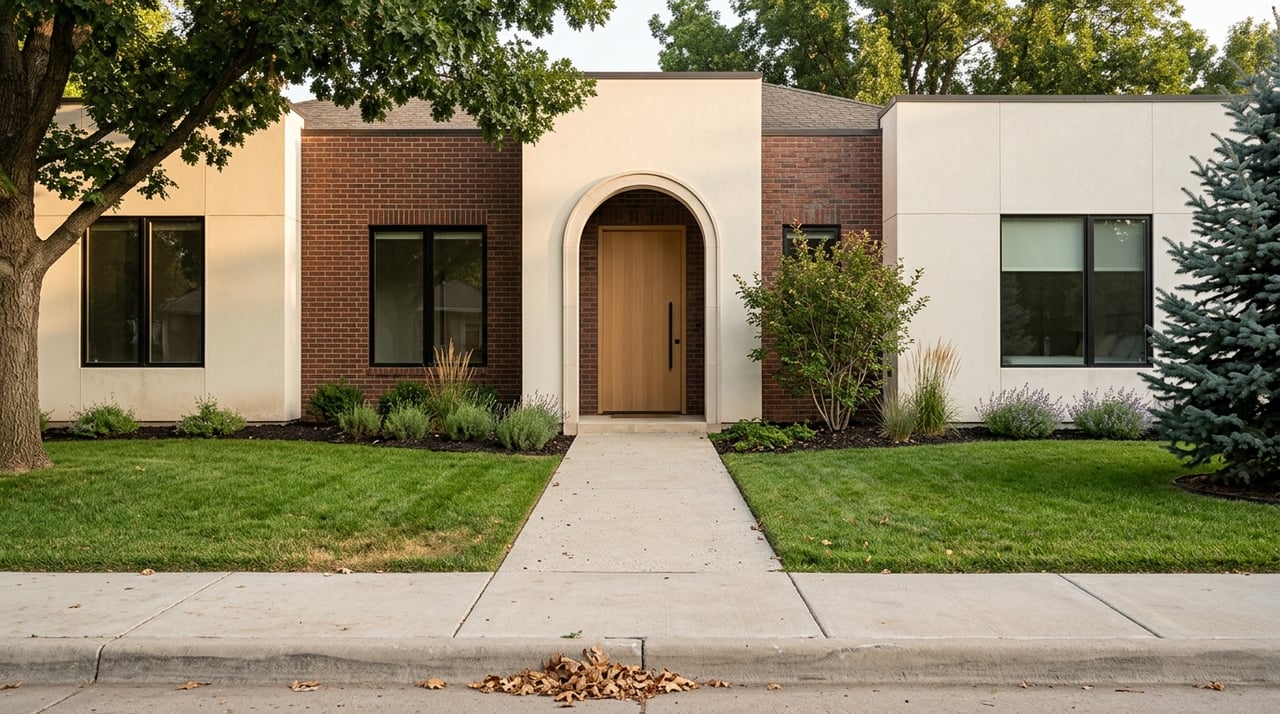
Wondering whether an older home in Observatory Park is worth renovating, selling to a builder, or replacing altogether? You are not alone. In this part of South Denver, scrape-and-build decisions often come down to one thing: the value of the lot versus the value of the existing house. If you are weighing your options, this guide will help you understand the market, the zoning basics, and the real-world timeline before you make a move. Let’s dive in.
Why Observatory Park Draws Scrape-and-Build Interest
Observatory Park functions more like a mature infill market than a new subdivision. According to the University Park neighborhood plan, the area has an established housing stock and a long-term turnover cycle, which helps explain why teardown and redevelopment activity continues to attract attention.
That market dynamic is visible in current pricing. The latest Observatory Park listing snapshot shows active listings ranging from a lot-only property at $1.25 million to new-construction homes priced from about $2.875 million to $4.3 million. A recent lot sale at 2425 S Jackson closed at $1,037,500 after being marketed at $1.25 million, underscoring the spread between raw land value and finished-home value.
For you as an owner or buyer, that gap matters. It is often the reason people start by evaluating the site itself, then work backward to determine whether the existing structure adds enough value to keep.
Start With Land Value
In a scrape-and-build market, the lot usually drives the conversation. Denver’s Assessor’s Office is one of the best places to begin because it provides property characteristics such as lot size and zoning, and the city reappraises land, buildings, and improvements every two years.
That information helps you separate land value from structure value. If the lot supports a future use that is more valuable than the current home, the property may appeal strongly to builders or buyers planning a custom project.
A current example makes this easier to picture. The property at 2425 S Jackson Street is a 0.27-acre lot that sold for $1,037,500 and was identified with S-SU-D zoning. Nearby new-construction homes listed at much higher prices show why buyers often focus on redevelopment potential first.
Understand Zoning Before Pricing
Two homes can look similar from the street and still have very different redevelopment potential. That is why zoning matters so much in Observatory Park.
Denver defines a zone lot as the buildable piece of land, and the city also explains how to read zoning district names through its zone lot and zoning guidance. For example, E-SU-D means Urban Edge, Single Unit, 6,000 square feet.
The broader Denver zoning code zone descriptions show that single-unit districts vary by neighborhood context and lot-size standard. In practical terms, that means your lot may support a different redevelopment path than another property just a few blocks away.
What zoning tells you
Zoning can help answer several key questions:
- How the city classifies the lot
- Minimum lot size standards
- Whether the site is in a single-unit context
- The starting point for evaluating redevelopment potential
Before you rely on a builder opinion or a list price, it makes sense to confirm the zoning and lot details directly.
Compare Builder Offers Carefully
If you own a property in Observatory Park, a builder offer can sound appealing. You may be able to avoid demolition planning, permit work, carrying costs, and construction risk. But in today’s market, you should compare that offer against current conditions rather than older peak-price expectations.
According to Redfin’s February 2026 market report, sellers in Denver outnumber buyers by more than 40 percent, homes typically spent 66 days on the market, buyers paid 1.8 percent less than final list price on average, and median sale prices were down 4.2 percent year over year. That softer backdrop can affect what a builder is willing to pay and how you should frame negotiations.
When selling to a builder may make sense
Selling to a builder may be worth considering when:
- The existing house is functionally outdated for the surrounding market
- The lot has clear redevelopment value under current zoning
- You want a more direct exit without taking on construction risk
- The offer is supported by recent lot and new-construction comparables
The key is to evaluate the offer based on land value, finished-product pricing, and present-day market leverage.
Building New Takes Time
A custom build can be a strong option if design control matters most to you, but it is rarely a quick process. In Denver, the permit path starts before demolition and often involves multiple city reviews.
The city’s new homes and additions page explains that new homes and additions may require zoning, building, and sewer use and drainage permits, along with reviews for transportation, structural, fire, energy, health, or forestry issues. If you are removing an existing structure, the demolition permit must be issued before other residential construction permits.
That sequencing alone can add meaningful time to a project. It is one reason a scrape-and-build should be viewed as a multi-stage investment, not a fast resale play.
Demolition timeline in Denver
Denver’s demolition permit process adds several steps. Structures larger than 200 square feet or 8 feet tall need a permit, applicants must secure CDPHE asbestos approval, and adjacent owners must be notified at least 10 business days before the permit can be issued.
The city says typical demolition permitting includes:
- 50 to 60 days for approvals
- 10 business days for neighbor notification
- 3 days for pre-inspection
- 1 day for permit issuance
- 3 days for demolition
- 3 days for final inspection
That timeline can stretch your schedule before new construction even begins.
Plan review also adds lead time
Denver’s current permit policy sets target review dates of 2 business days for intake and 10 business days each for initial review and resubmittal review for residential logs. Starting May 22, 2025, trade permit applications for new construction and additions also require an issued Residential Construction Permit before the trade permit can move forward.
For you, that means the city process is measured in business days and review cycles, not same-week approvals. If you are planning a custom home, carrying costs and timing should be part of the budget from day one.
Check Historic Status Early
Not every teardown candidate follows a standard path. Historic status can create another layer of review.
Denver notes on its new homes and additions guidance that new construction and additions in a historic district or on a designated landmark require a certificate of appropriateness. The city also states that Landmark Preservation reviews demolition citywide for potential landmark significance.
That is why it is smart to verify historic status before you assume the property can move through a typical scrape-and-build process.
Consider an ADU Instead
A full teardown is not the only path. Depending on your goals, you may want to keep the main house and add flexible secondary living space.
Denver’s citywide ADU update took effect on December 16, 2024, and allows ADUs in all residential areas. The city says the update expanded ADU coverage from 36 percent of Denver land to 70 percent. Denver also notes that HOA rules are not regulated by the city, so private covenants may still apply.
When an ADU may fit your goals
An ADU may be worth exploring if:
- You want to preserve the existing home
- You need more flexible living space
- You want a future rental or multigenerational option
- You prefer a more modest project than a full teardown
For some owners, this can be a practical middle ground between staying put and starting over.
A Practical Due Diligence Checklist
If you are evaluating a property in Observatory Park, a few early checks can save you time and expensive assumptions later.
Before you sell, buy, or build
- Pull the assessor record for lot size, zoning, and improvement details
- Decode the zoning district before estimating redevelopment value
- Confirm whether the property is a landmark or in a historic district
- Compare builder offers with recent lot and finished-home pricing in Observatory Park
- Build in time for demolition approvals and plan review
- Review owner-permit rules if you are considering a self-build
Denver’s homeowner permit rules also matter if you plan to act as an owner-builder. The city states that you must be the legal owner and resident, permits cannot be issued to trusts, LLCs, or corporations, and a homeowner can receive a permit to construct a new single-family home only once every five years.
The Bottom Line for Observatory Park
In Observatory Park, scrape-and-build value is driven by land scarcity, zoning capacity, and the pricing premium attached to new construction. The most important question is often not whether the existing home is old, but whether the site can support enough future value to justify the time, cost, and risk of redevelopment.
If you are weighing whether to sell to a builder, pursue a custom home, or position a lot for maximum value, experienced guidance can make the path much clearer. The team at Helm Weaver Helm brings senior-led market perspective, thoughtful positioning, and hands-on support for high-value properties across Denver.
FAQs
What makes Observatory Park attractive for scrape-and-build projects?
- Observatory Park has established housing stock, ongoing turnover, and a pricing gap between lot value and new-construction value that can support redevelopment interest.
How do you estimate lot value in Observatory Park?
- Start with the Denver Assessor record for lot size, zoning, and improvement data, then compare recent lot sales and nearby new-construction pricing.
What zoning details matter for an Observatory Park teardown?
- Zoning helps you understand the buildable lot, the property’s development context, and minimum lot-size standards that influence redevelopment potential.
How long does a scrape-and-build project take in Denver?
- The city process alone can take weeks to months because demolition approvals, neighbor notification, plan review, and permit sequencing all add time before construction starts.
Can you add an ADU instead of tearing down a home in Denver?
- Yes. Denver’s citywide ADU rules now allow ADUs in all residential areas, though private HOA or covenant rules may still affect a property.