Torn between LoHi and the broader Highlands for your next Denver address? You are not alone. Both offer walkable streets, character homes, and quick access to downtown, but they feel different day to day. In this guide, you will get a clear, side‑by‑side view of boundaries, housing, price bands, lifestyle, and commute so you can choose with confidence. Let’s dive in.
LoHi vs. Highlands at a glance
LoHi is the compact, eastern pocket of Highland closest to downtown with a high density of restaurants, bars, and rooftop patios. The wider Highlands umbrella includes West Highland, Potter Highlands, and the Highlands Square area, which bring more single‑family homes, tree‑lined blocks, and neighborhood‑oriented retail. If you want a social, walk‑to‑everything lifestyle, LoHi often wins. If you want larger lots, calmer evenings, and classic homes, the broader Highlands is a strong fit.
Boundaries and names explained
Locals use “LoHi” to describe the Lower Highlands roughly between 38th Avenue on the north, Zuni Street on the west, and I‑25/Speer along the south and east. Boundaries can be fuzzy in casual use, and some agents stretch “Highlands” to include nearby pockets. When accuracy matters, note the Registered Neighborhood Organization names, such as the West Highland Neighborhood Association, which outlines official boundaries and preservation priorities on its site. You can review those context details on the West Highland Neighborhood Association page.
Homes and price ranges
What you will see
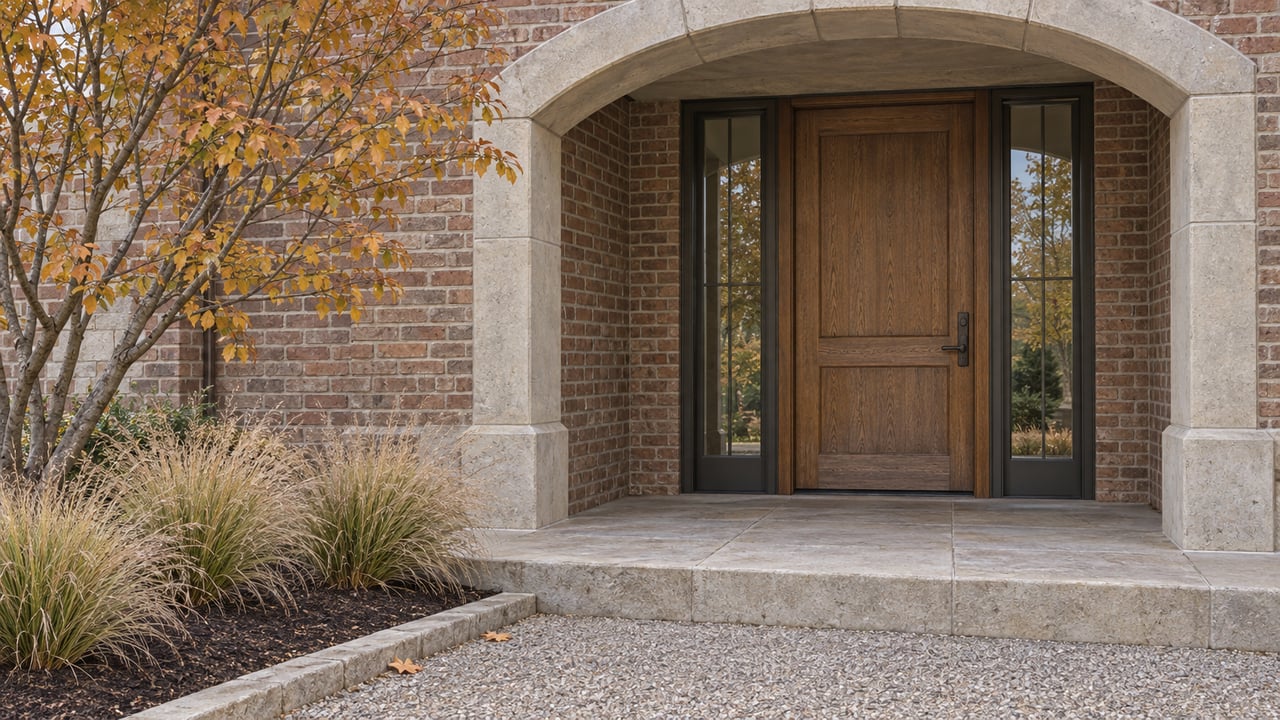
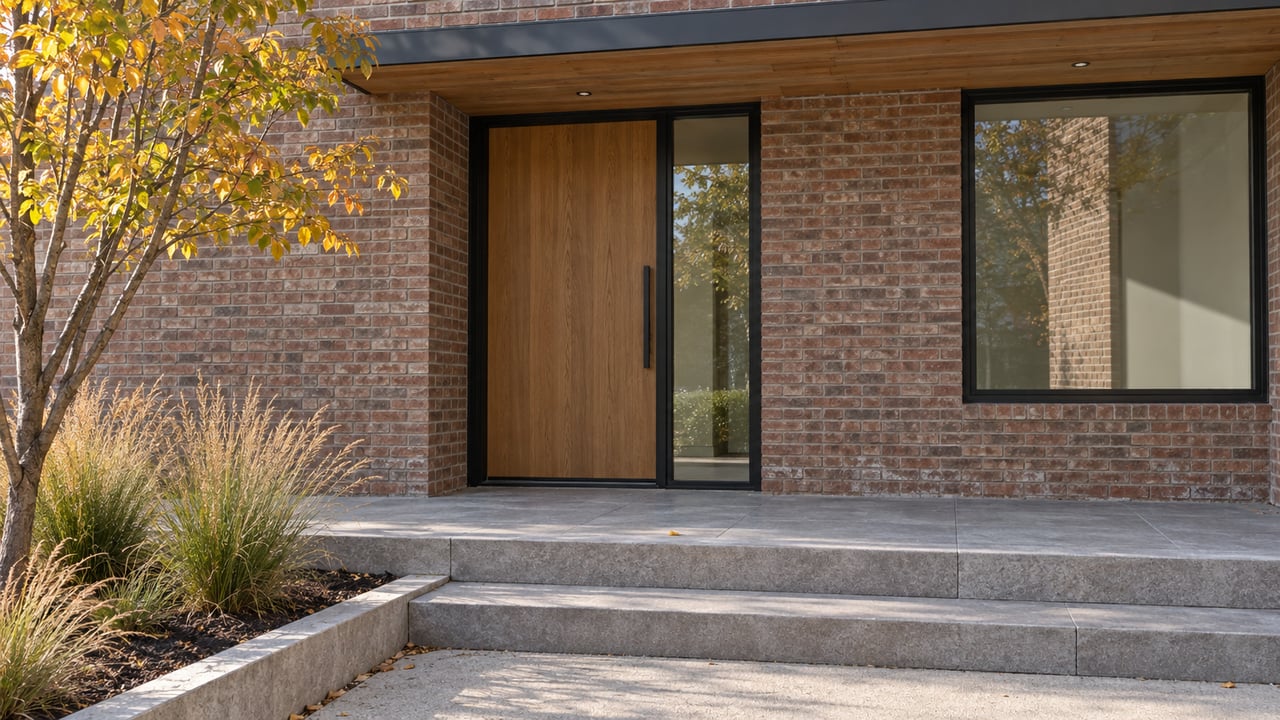
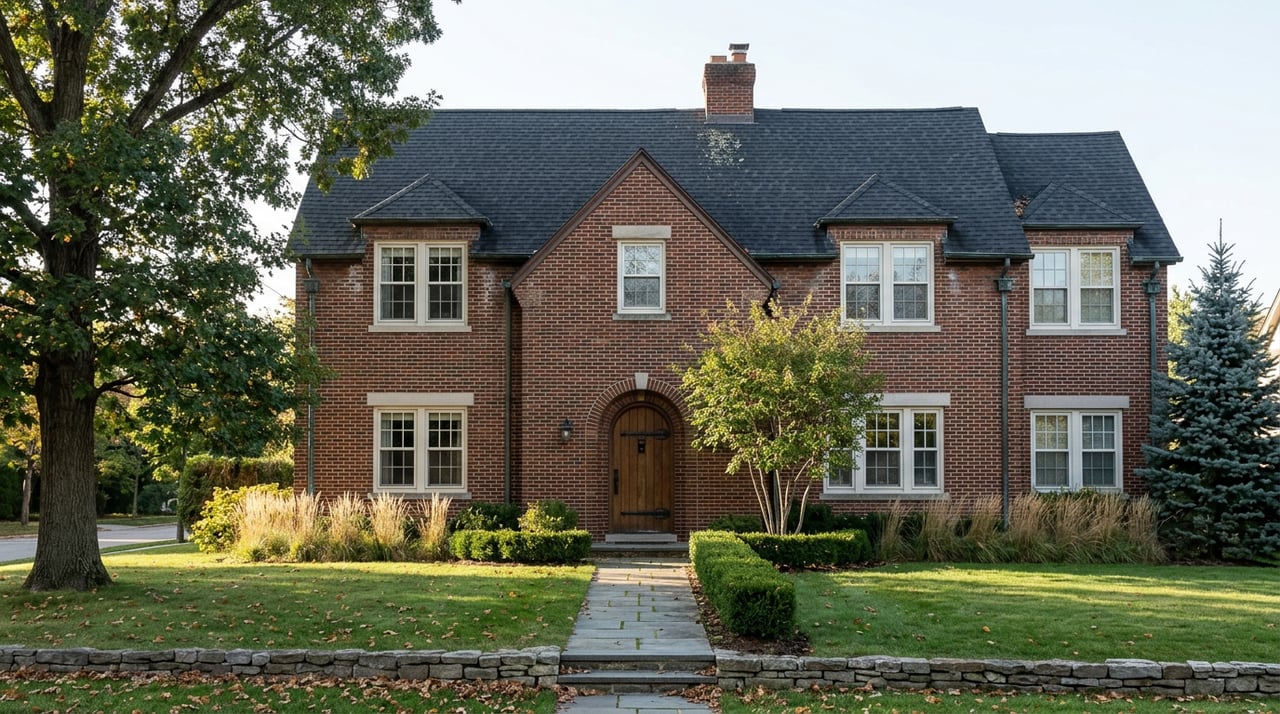
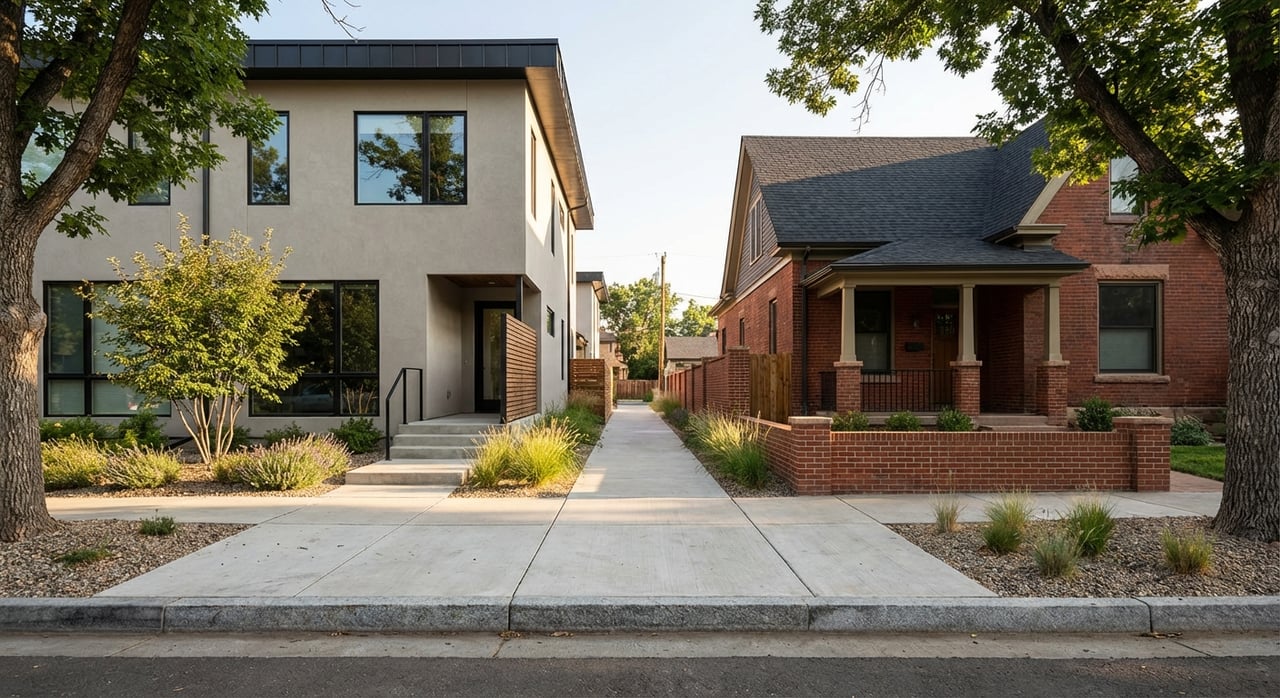
The Highlands showcase classic Denver architecture: late‑19th and early‑20th‑century Victorians, Craftsman bungalows, and Foursquare styles, especially across Potter Highlands and parts of West Highland. You will also find modern infill townhomes, boutique condo buildings, and a few adaptive‑reuse lofts. LoHi, in particular, concentrates newer townhomes, boutique condos, and units with skyline‑view rooftops, while West Highland and Potter Highlands deliver more front porches, larger yards, and historic blocks.
Typical price bands
Prices vary by street and home type, but this working frame reflects what buyers commonly see in listings and recent sales:
- Entry and smaller LoHi condos: mid‑$300k to mid‑$600k.
- Townhomes and two‑bed boutiques: roughly $500k to $900k.
- Single‑family homes in desirable blocks: around $900k and up past $1M.
- Newer luxury infill or standout properties: often $1.5M to $2M+.
Use these as practical ranges, not fixed numbers. The best move is to confirm current medians and days‑on‑market just before you shop, since prices shift month to month.
Walkability and commute
Walk, bike, and downtown link
Highland and LoHi are among Denver’s most walkable areas. Central Highland points post Walk Score values in the low 90s, which is considered a Walker’s Paradise. You can see a representative snapshot on Walk Score’s Highland page. A major plus is the Highlands pedestrian bridge that spans I‑25 and connects directly to the Platte River trail, Union Station, and downtown, cutting your walk and bike time to the core. Learn more about the Highland Bridge connection.
Transit and RTD options
Multiple bus routes serve 32nd Avenue, Federal, and nearby corridors, and Union Station sits a short walk or ride over the bridge. Many residents walk or bike to downtown and use rail from Union Station for airport trips. For longer commutes, like the Denver Tech Center, you will likely use I‑25 by car or a bus‑to‑rail combo depending on your schedule. For route planning and updates, check RTD Denver.
Parking and noise tradeoffs
LoHi’s restaurant and nightlife focus brings more evening activity. On busy nights, on‑street parking can be tight and there is more foot traffic. A few blocks farther west and north, many streets in West Highland and Potter Highlands feel quieter and parking tends to be easier. If you value calm evenings and a yard, lean west; if you love spontaneous dinners and rooftop sunsets, LoHi rewards you daily.
Lifestyle: food, retail, and vibe
LoHi dining and rooftops
LoHi is known for destination dining and inventive cocktails within a compact grid. The latest guides call it one of the city’s most restaurant‑dense pockets, with highlights like Linger, El Five, and Williams & Graham. If food and nightlife within a 5 to 10 minute walk top your list, start here. Browse a curated overview in Eater Denver’s LoHi dining guide.
Highlands Square and local retail
West Highland’s 32nd Avenue and Highlands Square center on boutiques, bakeries, cafes, day‑to‑day errands, and long‑running community events like markets and street fairs. The vibe skews neighborhood‑oriented, with easy coffee runs and casual dinners close to home. For context on local happenings and neighborhood priorities, explore the West Highland Neighborhood Association.
Which area fits your lifestyle
Urban social buyer
If you are a professional who prefers short social walks, rooftops, and skyline views, target LoHi. Expect modern townhomes and boutique condos, a high Walk Score, and more evening buzz. Parking can be tighter, so consider garages or dedicated spaces.
Quieter blocks and a yard
If you want a private yard, front porch living, and calmer streets, focus on West Highland and Potter Highlands. You will see more single‑family homes and historic character, along with community‑oriented retail. Check any preservation overlays if you plan exterior changes.
Newer build with space and views
If you want more room than a small condo but still love modern finishes, explore newer townhomes and infill single‑family homes across the Highlands, including edges of LoHi. You will likely trade a bit of lot size for sleek design and city views.
Value‑minded nearby pockets
If you like the Highlands lifestyle but want wider options at entry price points, consider adjacent neighborhoods like Sunnyside or Berkeley. They sit close by and often offer starter bungalows and smaller homes. Just note that marketing names can blur lines, so confirm the neighborhood on a map if that matters to you.
Quick decision checklist
- Budget and home type: condo, townhome, or single‑family?
- Nightlife tolerance: lively evenings or quiet streets?
- Yard and parking: private outdoor space and easy street parking, or not required?
- Architecture: historic charm or newer construction?
- Commute: walk and transit first, or car‑friendly access to I‑25?
- Schools: confirm school assignment by address with the district. For general profiles, you can review resources like the Edison Elementary school profile, then verify with the district tool before you buy.
Buyer tips to compare like a pro
- Tour at different times. Visit on a weekday morning and a weekend evening to feel traffic, noise, and parking.
- Test your commute. Walk or bike across the Highland Bridge to Union Station, then try your car route to I‑25.
- Validate parking. If your tolerance is low, favor blocks west of the core dining clusters.
- Review overlays. Historic districts and preservation rules can shape renovation plans.
- Watch the market. Price medians and days‑on‑market shift. Have your agent pull the latest numbers right before you write offers.
Ready to zero in on the right block and the right home? Get senior‑level, design‑forward guidance from search to closing. Book a private consult with Helm Weaver Helm to compare homes, tour smart, and move with confidence.
FAQs
What is the difference between LoHi and the Highlands?
- LoHi is the smaller, eastern pocket closest to downtown with dense dining and nightlife, while the Highlands is the broader area that includes West Highland, Potter Highlands, and Highlands Square with more single‑family homes and neighborhood retail.
How walkable are LoHi and the Highlands?
- Both score highly, with central Highland posting Walk Scores in the low 90s, and LoHi pockets often similar; see a representative Walk Score snapshot for context.
How does the downtown connection work from LoHi?
- A pedestrian bridge over I‑25 links LoHi directly to the Platte River trails and Union Station, shortening walk and bike times; read about the Highland Bridge for details.
Is parking harder in LoHi than in West Highland?
- Yes, LoHi’s restaurant core brings more evening activity and tighter on‑street parking, while many West Highland and Potter Highlands blocks are typically quieter with easier street parking.
What price ranges should I expect in LoHi and the Highlands?
- As a working frame, smaller condos often run from the mid‑$300k to mid‑$600k, many townhomes from roughly $500k to $900k, and single‑family homes from about $900k into the seven figures, with standout new builds reaching $1.5M to $2M+.
What transit options serve the Highlands area?
- You can walk or bike to Union Station for rail and use multiple bus routes on key corridors, with longer trips often combining driving on I‑25 and transit; for planning, visit RTD Denver.