If you are selling a historic home in Denver Country Club, you are not just bringing a property to market. You are presenting architecture, craftsmanship, and a piece of Denver’s built history. That can create real opportunity, but it also means buyers will look closely at condition, originality, and past changes. This guide will help you understand what matters most before you list, from preservation rules to disclosures to design-forward presentation. Let’s dive in.
Why Denver Country Club Is Different
Country Club is a locally designated Denver landmark district that was designated in 1990, with a period of significance from 1902 to 1945. The district includes roughly 380 residences and was planned around large homes on large lots, landscaped parkways, and a park-like sense of openness.
That setting matters when you sell. In a district with this much architectural variety, buyers often compare homes by style, lot quality, condition, and how well any later updates fit the original character. A generic neighborhood average rarely tells the full story.
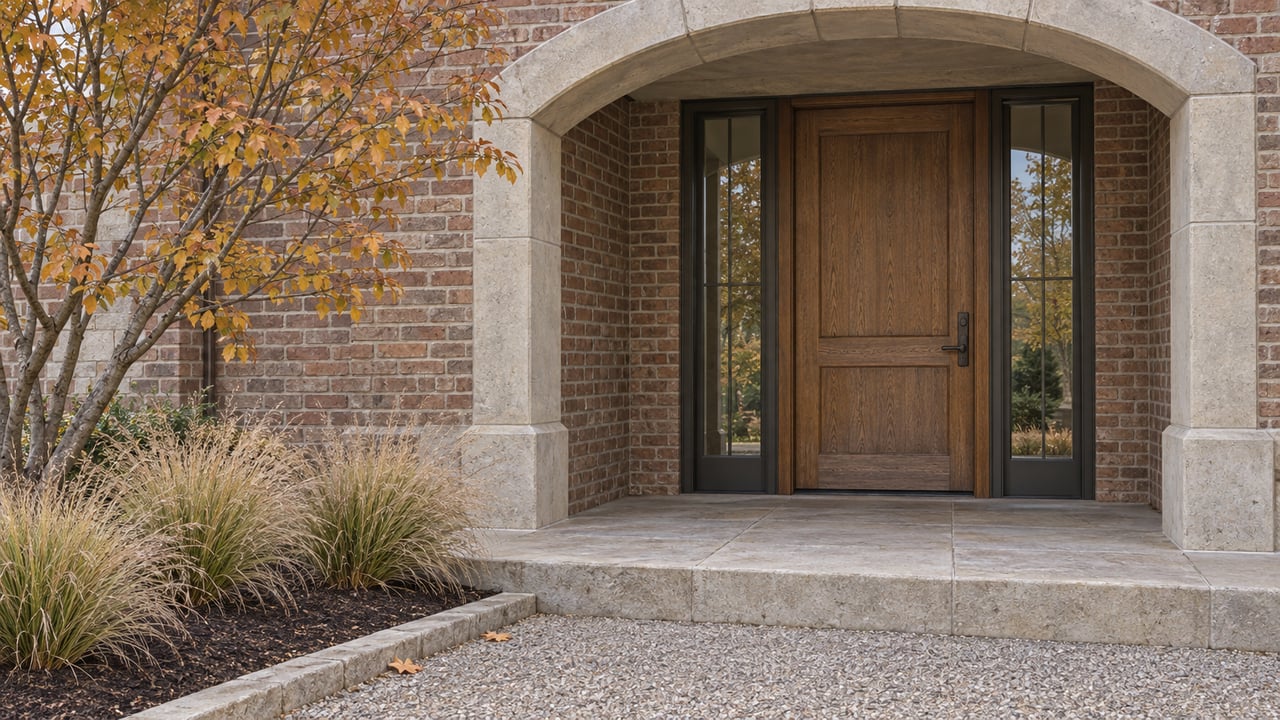
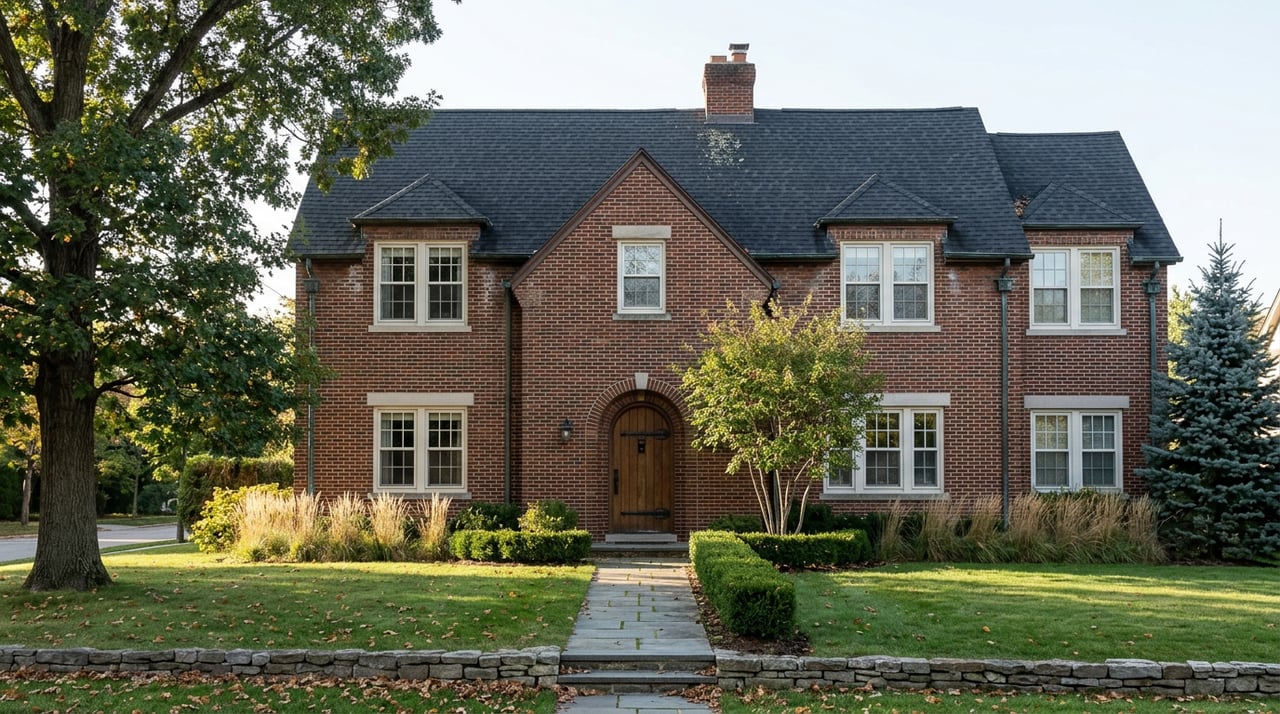
The area includes Denver Square, Gothic, Colonial, Mediterranean, and other early 20th-century revival styles. Many homes were designed by prominent Denver architects, which can make details like masonry, window proportions, rooflines, and entry sequences especially important to buyers.
Historic Status Affects the Selling Process
One of the first questions buyers ask is whether a property is actually inside the historic district. In Denver, Country Club is identified as a landmark district, and the city’s interactive map is the official way to verify status.
For sellers, that status can shape timing and expectations. It does not mean every project is difficult, but it does mean exterior changes may be reviewed differently than they would be in a non-historic area.
What Landmark review covers
In Denver historic districts, Landmark Preservation reviews exterior work that requires a building, zoning, encroachment, or curb cut permit. Once that work is approved, the city issues a Certificate of Appropriateness, and that approval must be submitted with the later permit application.
This is why pre-listing planning matters. If you are considering exterior repairs or improvements before going live, it is wise to understand whether the work will trigger review and whether the timeline fits your listing plan.
What Landmark review does not cover
Denver’s comparison materials note that design review does not include interiors, exterior paint colors, or general maintenance. Smaller items such as fences, garages, solar panels, or small rear additions are often handled administratively.
That distinction is helpful when you prepare a house for market. Interior updates and maintenance items may be more predictable, while exterior work can require more lead time depending on the scope.
Exterior Changes Matter More Here
Country Club-specific guidelines place a strong emphasis on the district’s open streetscape and architectural character. They call for preserving broad setbacks and side yards, placing additions at the rear or side, and using alley access for garages when feasible.
The guidelines also seek to limit curb cuts and front-yard driveway visibility. They emphasize preserving gateways and maintaining compatible roof forms, window proportions, masonry-heavy detailing, and muted earth-tone color palettes.
For sellers, this often comes up in two ways. First, buyers may ask whether older additions, garages, or exterior changes were done with appropriate approvals. Second, the market tends to respond well when later improvements feel visually subordinate to the original home rather than competing with it.
Demolition and major alterations face more scrutiny
Demolition is tightly regulated in Denver. All primary structures citywide and accessory structures over 1.5 stories are reviewed, and in historic districts a proposed demolition affecting 40 percent or more of the exterior wall area, roof area, or combined wall-and-roof area requires a public hearing.
Even if you are not planning demolition, this rule signals how seriously the city treats major exterior change in landmark districts. Buyers who may want to remodel later often pay attention to this issue during due diligence.
Pre-Listing Due Diligence Can Reduce Friction
Older homes often have a long paper trail. Before listing, it helps to gather permits, contractor invoices, inspection reports, and remediation records so that you are ready for buyer questions.
Colorado’s current residential Seller’s Property Disclosure requires the seller’s current actual knowledge. The form must be completed by the seller, not the broker, and it must be updated if new adverse material facts are later discovered.
The form also reminds buyers that it is not a substitute for an inspection and encourages professional inspections. For a historic home, that means documentation matters. The more organized your records are, the easier it can be to answer questions with confidence.
Common disclosure areas to prepare for
Colorado’s disclosure advisory directs attention to issues such as the physical condition of the property, mold or other biological hazards, rodents and termites, legal use and access, water, sewer and utilities, environmental and geological conditions, noxious weeds, and other concerns that could affect ownership.
If your home has had system upgrades over time, it is smart to organize what you know before the home hits the market. Older roofs, windows, foundations, plumbing, electrical work, and drainage improvements often prompt follow-up questions from buyers and inspectors.
Lead-based paint for older homes
For homes built before 1978, federal lead-based paint disclosure applies. Colorado’s lead disclosure form requires sellers to disclose known lead hazards, provide available records and reports, and allow a 10-day buyer inspection period unless the parties agree otherwise in writing.
Because many Country Club homes predate 1978, this is often a routine part of the transaction. If you already have reports or documentation, having them ready can make the process smoother.
Radon is a Colorado issue buyers expect
Colorado law now requires written radon warnings and disclosures in residential transactions. The Colorado Department of Public Health and Environment says radon is the second leading cause of lung cancer and is elevated in one out of every two Colorado homes.
CDPHE also says mitigation typically costs about $1,000 to $2,000. If your home has been tested or mitigated, organized records can help buyers evaluate the property more clearly.
Pricing a Historic Home Takes Precision
Pricing a home in Denver Country Club is rarely as simple as pulling broad neighborhood averages. The district is relatively small, and the housing stock is stylistically varied.
That means comp selection should be narrow and deliberate. The strongest comparisons are usually homes with a similar architectural style, lot size, condition, and degree of historic integrity.
A beautifully preserved home with thoughtful updates may compete differently than a similar-sized house with more visible exterior alterations. In this part of Denver, the details often shape value.
Presentation Should Highlight Architecture
In Country Club, the visual character of the district comes from substantial homes, broad setbacks, landscaped parkways, and an open streetscape. That is why an architecture-forward presentation often works best.
Instead of crowding rooms or distracting from the front approach, thoughtful staging should help buyers notice the home itself. Clean upholstery, edited accessories, strong lighting, and photography that captures texture and craftsmanship usually support the story better than trend-driven styling.
Focus on façade and approach
Exterior photography should prioritize the frontage, setback, tree canopy, and any gateway features. If the home has rear or side additions, those should be shown in a way that explains the layout without overpowering the primary façade.
This approach aligns with the district guidelines, which favor rear-sited additions, subordinate garages, and minimal visual impact from driveways and curb cuts. Buyers often respond to a presentation that feels restrained, polished, and true to the architecture.
Keep the interior edited and bright
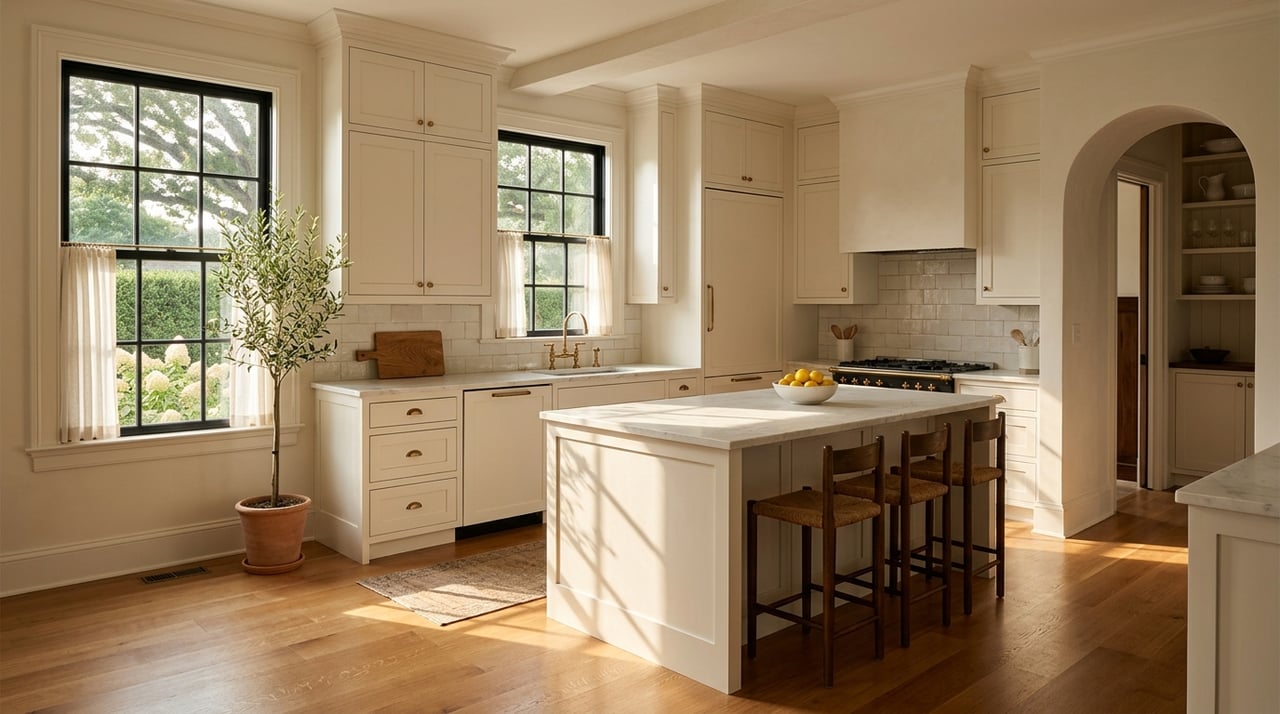
Historic homes usually benefit from a lighter touch. Buyers want to see window proportions, original millwork, masonry details, ceiling height, room flow, and the relationship between formal and casual spaces.
An edited interior can also help buyers understand what has been updated and what remains original. In a legacy home, clarity builds confidence.
Questions Buyers May Ask Before They Offer
Buyers considering a historic home in Country Club often arrive with a more detailed checklist than they would for a newer property. They may ask whether exterior work was permitted, whether additions were approved, what systems have been updated, and whether lead or radon documentation is available.
They may also want to know which repairs are simple maintenance and which could trigger Landmark review later. The more clearly you can answer these questions, the more credibility you create during negotiations.
This is where a senior-led, hands-on listing strategy can make a difference. Preparing the file, positioning the architecture correctly, and managing the buyer conversation with precision can protect both momentum and value.
A Thoughtful Sale Protects Value
Selling a historic home in Denver Country Club is about more than listing a beautiful address. It is about understanding how history, design guidelines, disclosures, and presentation work together in one of Denver’s most distinctive landmark districts.
When you prepare early, organize your records, and present the home with care, you give buyers a clearer picture of both the property and its long-term appeal. That usually leads to a stronger launch and a more confident transaction from start to finish.
If you are preparing to sell in Country Club and want a senior-led, design-forward strategy tailored to your home, connect with Helm Weaver Helm to start the conversation.
FAQs
Is Country Club in Denver a historic district?
- Yes. Country Club is a locally designated Denver landmark district, and the city’s interactive map is the official way to confirm whether a specific property is within the district.
Do exterior projects on a Country Club home need Landmark approval?
- Exterior work in a Denver historic district that requires a building, zoning, encroachment, or curb cut permit is reviewed by Landmark Preservation before permit issuance.
Do interior updates on a Denver Country Club historic home need Landmark review?
- No. Denver’s historic district design review does not cover interiors, exterior paint colors, or general maintenance.
Can you replace windows or add onto a historic home in Country Club?
- Potentially, yes, but those projects are addressed through Denver’s design review process, and the district guidelines favor compatible window proportions and rear- or side-sited additions.
What disclosures matter when selling an older home in Denver Country Club?
- Sellers should be prepared for Colorado’s residential property disclosure requirements, and many older homes will also involve lead-based paint disclosure if built before 1978, along with Colorado’s required radon warning and disclosure.
Why is pricing a historic home in Country Club different from pricing other Denver homes?
- Because the district is small and architecturally varied, pricing usually depends on close comparisons in style, lot size, condition, and historic integrity rather than broad neighborhood averages alone.