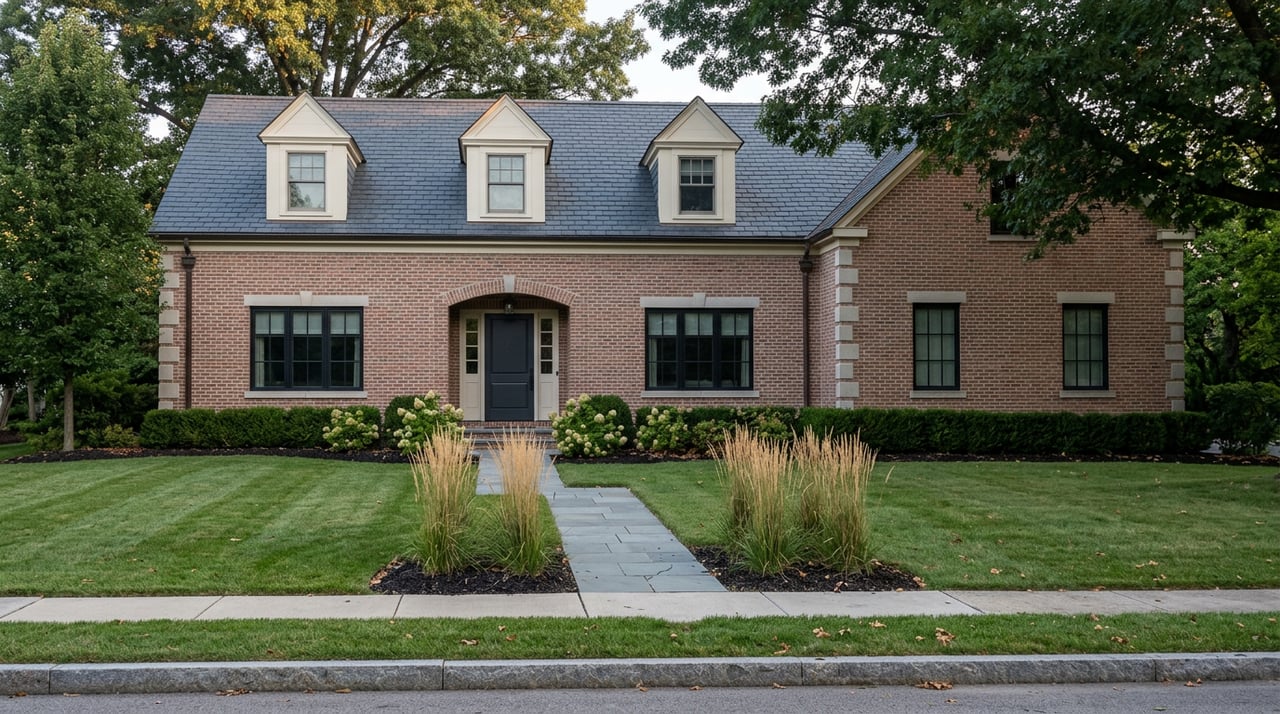
Why does one Congress Park bungalow attract offers in a weekend while a similar condo lingers for weeks? If you are buying or selling here, Days on Market, or DOM, can feel like a mystery. You deserve clear, neighborhood-smart guidance that helps you price, time, and negotiate with confidence. In this guide, you will learn what DOM really measures, how Congress Park’s unique dynamics shape it, and how to use it to your advantage whether you are listing or making an offer. Let’s dive in.
What DOM means (and what it does not)
The simple definition
DOM is the count of days from the first public listing date until a property goes under contract or is removed from active status. It is one signal of buyer demand and how long a typical sale may take. Short DOM often points to strong interest; longer DOM can signal pricing or property-specific friction.
Cumulative vs. reset DOM
Some MLS systems track cumulative DOM across relists, while others reset the clock when a listing is withdrawn and re-listed. Always review the listing history to see if time on market was continuous or restarted. A reset can make a home look fresher than it truly is.
Why DOM alone is not enough
DOM should be read alongside price history, list-to-sale ratio, showing activity, and local inventory. A long DOM with repeated price cuts tells a different story than a long DOM with a steady price and a buyer needing extra time to close. Pair DOM with context before you draw conclusions.
How Congress Park shapes DOM
Location and housing mix
Congress Park is a central Denver neighborhood near City Park, museums, and major job centers. Walkability and amenities support steady buyer interest relative to outlying areas. The housing stock ranges from early-20th-century single-family homes to vintage condo conversions, which means DOM can vary by property type and condition.
Seasonality you can expect
Activity in Denver typically ramps up March through June and slows in late fall and winter. Congress Park follows this pattern, though swings are often less dramatic than in suburban areas. Expect more showings and tighter DOM in spring and early summer, and a calmer pace in late year.
The first 1–3 weeks matter most
Most listings get peak attention in the first 7–21 days. When pricing and presentation are dialed in, many homes secure their best offers in this window. Plan your strategy to capitalize on that opening period.
Read DOM with price outcomes
- Above list with short DOM often reflects strong demand or a deliberate underpricing strategy to spark multiple offers.
- At or near list with normal DOM suggests accurate pricing and typical negotiation.
- Below list with extended DOM can indicate overpricing, condition issues, or broader market softness. Investigate before you bid or reduce.
What short vs. long DOM can signal
Short DOM signals
- Accurate pricing against recent nearby sales.
- Strong presentation, including professional photography, staging, and a compelling description.
- Concentrated exposure in peak season and effective pre-marketing.
- Buyer profiles that include cash or well-qualified financing.
Long DOM signals
- Overpricing relative to comparable sales.
- Deferred maintenance or updates that narrow the buyer pool.
- Unique features that are harder to value, like unusual layouts or lot sizes.
- Market conditions such as higher rates or more inventory that slow activity.
Sample scenarios
- Short DOM plus sale above list with multiple offers: strong seller leverage and competitive buyer behavior.
- Short DOM with a list price under recent comps: likely a strategy to drive bidding and fast execution.
- Long DOM with multiple reductions and a final sale below the original list: potential buyer opportunity, but check condition, title, and inspection details.
- Moderate DOM with a stable price and limited showings: consider stronger marketing or targeted improvements.
For sellers: shorten time to contract
- Price to the neighborhood, not the metro average. Segment by property type and vintage so your bungalow is not compared to a mid-rise condo.
- Max out the first three weeks. Invest in professional photos, thoughtful staging, and a clear marketing rollout, including broker opens and permitted pre-marketing.
- Consider pre-list repairs or a pre-list inspection to reduce friction and limit concessions later.
- Watch early feedback. If showings are light or buyers push back on price, act quickly rather than waiting for DOM to climb.
- If you relist to refresh exposure, document your price history. Many buyers and agents review cumulative time on market.
For buyers: use DOM to your advantage
- Pair DOM with price history. Long DOM with steady pricing may allow room to negotiate; long DOM with multiple cuts needs extra due diligence.
- Be ready during week one. If a home is drawing strong interest, come pre-approved and consider clean terms such as quicker inspection timelines or stronger earnest money.
- Ask for the full listing history. Clarify whether DOM was reset and why a property may have been withdrawn and re-listed.
- Compare within the same price band and property type. This helps you see whether a short DOM reflects true market competition or a pricing tactic.
The metrics that matter in Congress Park
To judge DOM in real time, ask for a neighborhood CMA that includes:
- Median DOM for the past 90 and 180 days, segmented by condos and single-family homes.
- Median and mean list-to-sale price ratios for the same periods.
- Share of sales above list, at list, and below list.
- Median number of price reductions and days to first reduction.
- Active inventory and months of supply to gauge absorption.
- New pendings per week or month to track velocity.
- Showings per listing, when available, to separate demand from marketing reach.
- Rolling 12-month trends rather than single-month spikes for a clearer picture.
Avoid common DOM traps
- Do not rely on a single public site. Different platforms can show different DOM due to how they define listing dates or handle status changes.
- Check for resets. A fresh-looking DOM may hide a prior listing period with price changes.
- Separate property issues from market issues. A longer DOM can be about condition or layout as much as pricing or interest rates.
Your next step
DOM is a powerful signal when you read it in context with price history, presentation, and neighborhood-level comps. Whether your goal is a swift, top-dollar sale or a smart, well-timed purchase, a precise plan for Congress Park will help you move with confidence. If you want a partner-led, design-first strategy that shortens time to contract without leaving money on the table, connect with Helm Weaver Helm. Book an Appointment and let’s set your next move up for success.
FAQs
What does “Days on Market” mean in Denver’s Congress Park?
- DOM counts the days from a home’s first public listing to when it goes under contract or is removed from active status.
How should a Congress Park seller use DOM in pricing?
- Pair expected DOM with recent neighborhood comps, list-to-sale ratios, and buyer feedback from showings to set and adjust your price.
Do relisted Congress Park homes reset DOM?
- Sometimes. Some systems reset DOM on relist, so always review the full listing history to see total market exposure.
Does long DOM mean a home is a bad buy in Congress Park?
- Not necessarily. It may reflect overpricing, condition, or a niche feature; it can also create negotiation opportunity if due diligence checks out.
Why do some Congress Park homes sell above asking so quickly?
- Accurate pricing, strong staging and marketing, concentrated early exposure, and competition from well-qualified or cash buyers can compress DOM and push prices above list.