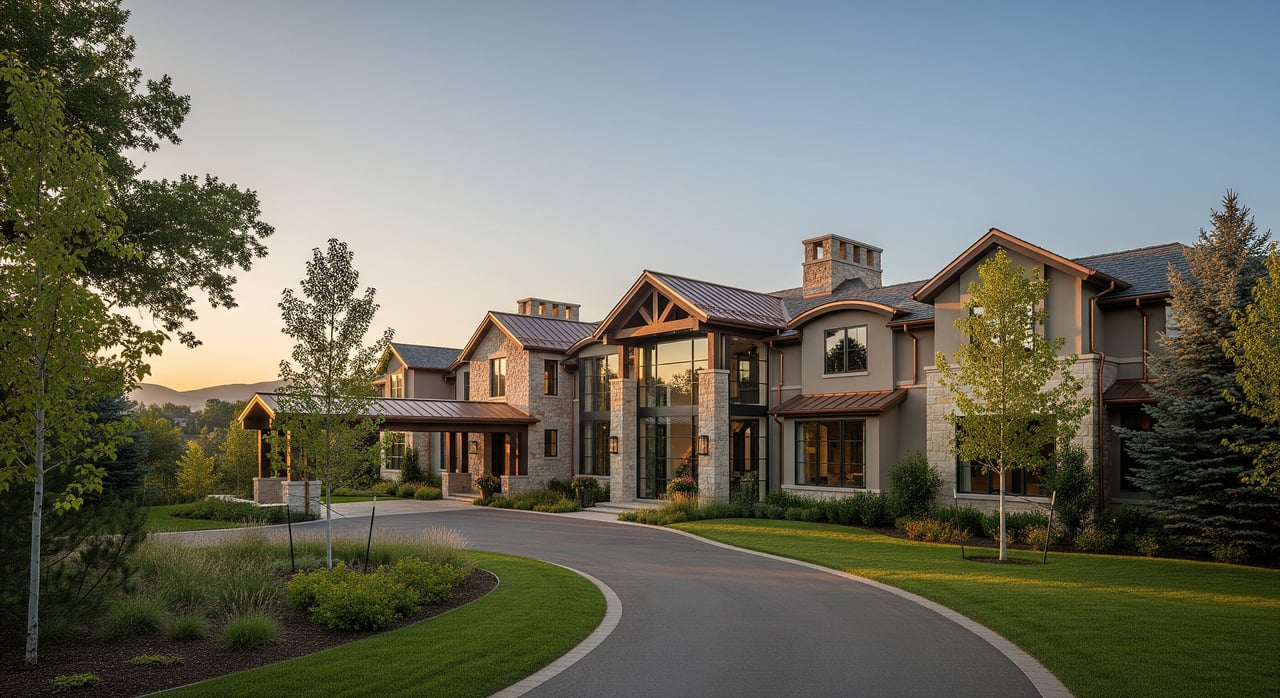
Shopping luxury homes in Cherry Hills Village or Greenwood Village and wondering how financing works above the conforming limit? You are not alone. Jumbo loans follow stricter rules, take a bit more time, and can hinge on details unique to our local high-end market. In this guide, you will learn what makes a loan jumbo, what lenders expect, how local property features affect underwriting, and how to keep your closing on track.
Let’s dive in.
What is a jumbo loan
A jumbo loan is a mortgage that exceeds the conforming loan limit set by the Federal Housing Finance Agency for the county where the home sits. Because it is above that limit, it is not eligible for purchase by Fannie Mae or Freddie Mac and is typically sold to private investors or kept on a lender’s portfolio. Conforming limits change every year and vary by county, so you should confirm Arapahoe County’s current limit before you decide how to structure your offer.
Common jumbo products
- Fixed-rate jumbo mortgages in 30-, 20-, or 15-year terms.
- Adjustable-rate mortgages, often chosen if you plan to sell or refinance within a set timeline.
- Portfolio and non-QM options that allow alternative documentation, like bank-statement or asset-based qualifying.
- Piggyback structures that pair a first mortgage with a second mortgage. These are less common but can be useful if pricing or investor appetite supports it.
How jumbo differs from conforming
Jumbo underwriting is more conservative. Lenders often apply stricter documentation standards, tighter debt-to-income limits, and higher reserve requirements. Pricing has historically been slightly higher, although the spread depends on your profile and the market. Luxury homes also bring more rigorous appraisal expectations and a closer look at the property’s unique features.
What lenders look for
Most jumbo programs favor strong overall profiles. While each lender sets its own rules, you will generally see the following themes:
- Credit score: best pricing often begins around 700 to 760 plus, with lender minimums varying.
- Debt-to-income ratio: many programs cap around 43 to 50 percent. Strong compensating factors can improve flexibility.
- Down payment and LTV: 10 to 20 percent down is common for primary residences. Lower down payments may be available on select programs at higher rates or fees.
- Cash reserves: expect multiple months of reserves based on your full mortgage payment.
Reserves: what to expect
For primary residences, lenders commonly require 6 to 12 months of reserves. Larger loans, second homes, or investment properties often need 12 to 24 months. Reserves can come from bank, brokerage, or retirement accounts, though retirement balances may be discounted. Funds must be documented, seasoned, and liquid or easily liquidated.
Documentation checklist
Employed borrowers typically provide two years of W-2s, recent pay stubs, and two years of signed tax returns. Self-employed buyers often provide two years of personal and business returns, a year-to-date profit and loss, and business bank statements. Alternative documentation options may allow bank-statement or asset-based qualification. Expect full statements for assets, sourcing of large deposits or gifts, and letters of explanation for any credit or income inconsistencies.
Local property factors that matter
Cherry Hills Village and Greenwood Village have estates with acreage, custom builds, and distinctive amenities. These traits influence underwriting and timelines in several ways:
- Appraisals: Atypical or thin comparable sales can add time and increase the chance of value debates. Luxury homes may require specialized appraisers or a second review.
- Site and systems: Acreage, wells, septic, and unique outbuildings can trigger additional inspections or reports. Historic or extensively remodeled homes may require careful reconciliation of construction quality and upgrades.
- Communities and HOAs: For condos or gated developments, lenders will review HOA financials, insurance coverage, and any pending special assessments.
Taxes, insurance, and monthly costs
Underwriters include property taxes, special district assessments, HOA dues, and insurance in your debt-to-income ratios. High-value homes often need larger homeowners insurance, umbrella liability coverage, or specialty policies for unique property uses. Knowing these costs early helps you qualify cleanly and avoid last-minute surprises.
Timeline and common delays
Jumbo loans usually take a bit longer from start to finish. A realistic plan is 45 days to close, with a 30 to 60 day range depending on the property and documentation.
- Appraisals for luxury homes can take 7 to 21 or more days, based on complexity and appraiser availability.
- Underwriting often takes 7 to 21 days after submission. Conditions like tax transcript verification, title cures, or asset seasoning can add time.
- Common delays include appraisal disputes, specialized inspections, HOA document turnaround, and sourcing large or recent deposits.
Keep your closing on track
- Secure a full written preapproval that lists conditions and required documents.
- Choose a lender experienced with high-value Colorado properties and ask about their appraiser network for Cherry Hills and Greenwood Village.
- Order HOA documents and disclosures promptly and request the seller deliver HOA packets early in escrow.
- Set an appraisal contingency that fits the property’s complexity.
- Prepare and season assets in advance and avoid large unexplained transfers before contract.
Choosing the right lender
Different lender types can shape your experience and pricing:
- National banks: broad product menus and competitive pricing, sometimes with stricter overlays.
- Regional banks or credit unions: local knowledge may support flexible underwriting and strong pricing.
- Mortgage brokers: access to multiple investors and niche jumbo or non-QM products. Make sure they know Denver-area luxury.
- Private banks: portfolio loans and relationship pricing for high-net-worth clients with existing banking ties.
Pricing and rate drivers
Your rate and fees reflect loan size, down payment, credit score, and debt-to-income ratio. Product choice matters too. ARMs may price better than fixed terms in some markets, and local valuation risk can lead to lender overlays that influence maximum loan-to-value and reserve requirements.
Negotiation tools to consider
- Increase your down payment to improve pricing or reduce reserve requirements.
- Compare buying points versus taking a higher rate, based on your expected hold period and breakeven.
- Use temporary buydowns funded by seller concessions when available.
- Consider bridge loans or a HELOC to access equity from a departing residence, with careful DTI planning.
- Explore escrow holdbacks for agreed repairs if your lender allows them.
Buyer prep checklist
- Select a lender skilled in Arapahoe County luxury and request a clear, written preapproval.
- Gather 24 months of tax returns, pay stubs, and 12 to 24 months of bank or business statements as applicable.
- Document sources of large deposits and prepare gift letters with donor statements if using gift funds.
- Confirm reserve requirements, verify balances, and ensure funds are seasoned.
- Ask about the likely appraisal timeline and whether a review or second appraisal is probable for your target properties.
- Discuss title and survey needs early, especially for acreage or nonstandard lots.
- Coordinate with the seller to obtain HOA packets and community documents as soon as possible.
How we support your jumbo purchase
In Cherry Hills Village and Greenwood Village, the details make the difference. You benefit from senior-level guidance on property selection, offer strategy, and timeline management, plus coordination with lenders and appraisers who understand our local luxury market. We help you anticipate underwriting questions tied to acreage, custom construction, or HOA reviews so you can write a confident offer and close with fewer surprises.
Ready to talk strategy for your next purchase or relocation plan? Connect with the senior partners at Helm Weaver Helm for a discreet, high-touch consultation.
FAQs
What is a jumbo loan in Arapahoe County?
- It is any mortgage above the county’s conforming loan limit set by the FHFA, which makes it ineligible for purchase by Fannie Mae or Freddie Mac and subject to private or portfolio lending.
How much down payment is typical for a jumbo loan?
- Many primary residence programs call for 10 to 20 percent down, with select options offering lower down payments at higher rates or fees.
How long does a jumbo closing take in Cherry Hills or Greenwood Village?
- Plan for about 45 days on average, with a 30 to 60 day range depending on appraisal complexity, underwriting conditions, and document turn times.
What can slow a jumbo appraisal on a luxury property?
- Thin comparable sales, unique features like acreage or outbuildings, and the need for specialized appraisers or additional inspections can extend timelines.
Are adjustable-rate mortgages common for jumbo buyers?
- Yes, ARMs are often used by buyers who expect to sell or refinance within a set time frame, though suitability depends on your goals and risk tolerance.
How do reserve requirements work for jumbo loans?
- Lenders typically require 6 to 12 months of reserves for primary residences and 12 to 24 months for larger loans or secondary properties, documented with liquid or easily liquidated assets.